Dragon fruit purée · Analytical evidence
Beyond Color: The Antioxidant Potential of Nicaraguan Red Dragon Fruit Purée
Its magenta color attracts attention. Laboratory testing helps R&D teams understand the antioxidant story behind it.
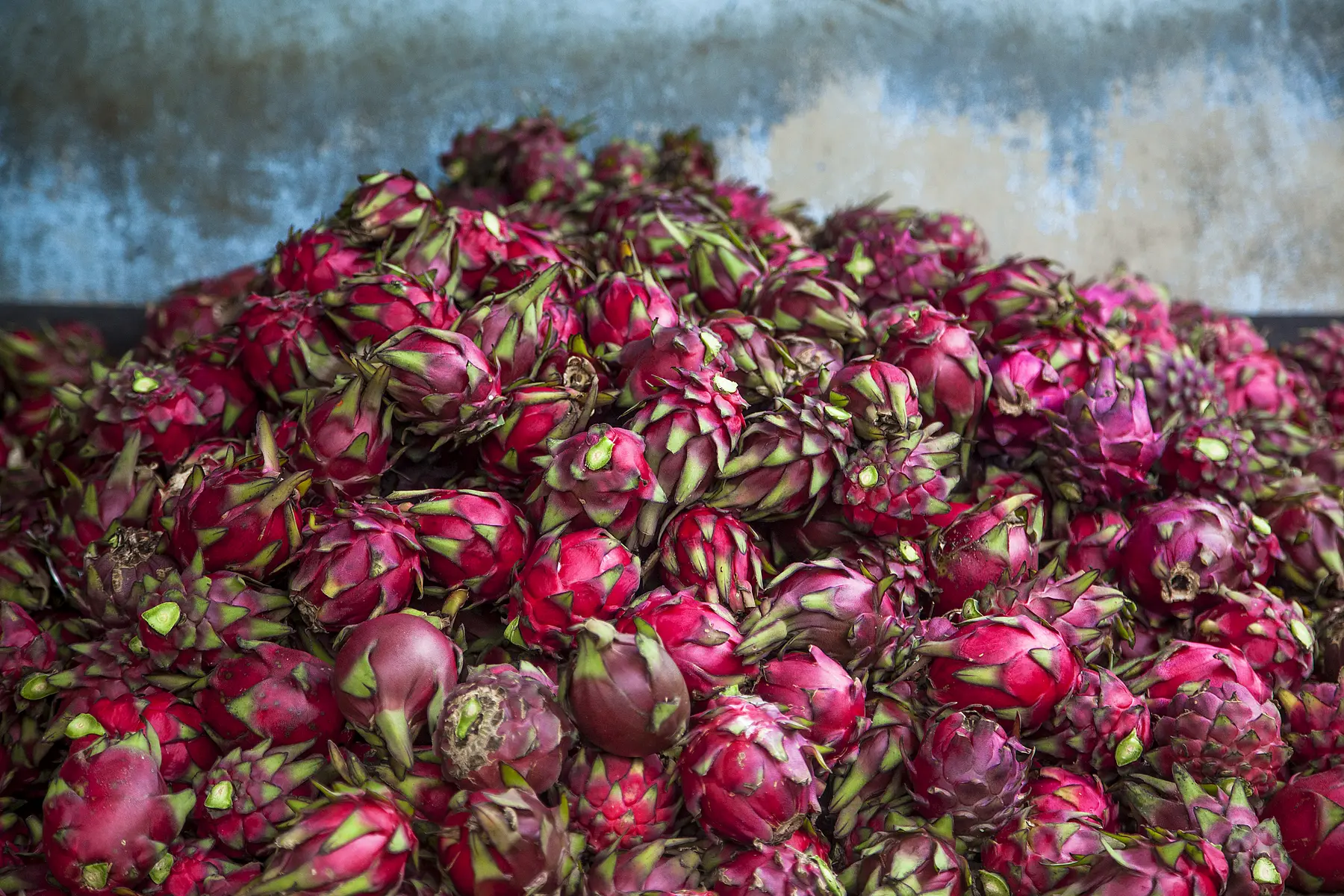
The first thing product developers notice about Nicaraguan red dragon fruit purée is its deep magenta color. It can give smoothies, functional beverages, yogurts and frozen desserts immediate visual appeal from the fruit itself.
That red-violet color comes from betalains, including the betacyanins responsible for red, purple and magenta hues. The same whole-fruit ingredient that supplies color can also support a measured, food-based antioxidant story—provided the evidence is communicated accurately.
What the ORAC 6.0 result shows
Sol Organica’s single-strength Nicaraguan red dragon fruit purée was independently analyzed using ORAC 6.0 testing. The tested sample recorded a cumulative result of 38 µmol Trolox Equivalents per gram, equivalent to 3,800 µmol TE per 100 grams.
Traditional ORAC testing evaluates antioxidant activity against peroxyl radicals. ORAC 6.0 expands the laboratory view by measuring performance against six reactive species. In this sample, the largest measured contributions came from hydroxyl-radical and hypochlorite activity, with additional activity recorded against peroxyl radicals and peroxynitrite.
For an R&D team, this provides analytical evidence that naturally occurring compounds in the purée responded to several reactive species under controlled laboratory conditions.
Turn the result into finished-product evidence
ORAC provides a controlled laboratory benchmark for the tested purée. Product teams can build on that benchmark by measuring the finished formulation after processing and through its intended shelf life.
For consumer-facing antioxidant positioning, validate the finished product at the intended serving and align the wording with the destination market. This connects the analytical result directly to the product the buyer will launch.
Why the ingredient still matters to formulators
Whole-fruit ingredients can do several jobs at once. Red dragon fruit purée can contribute fruit content, mild tropical flavor and vivid natural color while giving technical teams a documented starting point for a naturally occurring antioxidant narrative.
Its mild flavor can work alongside other fruits, and its color can help communicate the ingredient story before a consumer reads the label. Potential applications include smoothies, juice blends, wellness shots, yogurts, nutrition-focused beverages and frozen desserts.
Move from ingredient data to application evidence
The correct next step is application testing. Teams should evaluate color, sensory performance and the relevant analytical markers after the intended processing and across the planned shelf life.
R&D checklist
Evaluate the complete formulation
Use the ingredient result as a starting point, then confirm what the finished product can support.
Developing with red dragon fruit? Request the current specification, sample availability and available analytical documentation.
Evidence basis: independent ORAC 6.0 analysis of Sol Organica single-strength red dragon fruit purée, reporting 38 µmol Trolox Equivalents per gram in the tested sample.