Fair Trade Month · Relationships at origin
Fair Trade Month: What Fairness Means in Practice
October creates the invitation. The real work continues in every season.
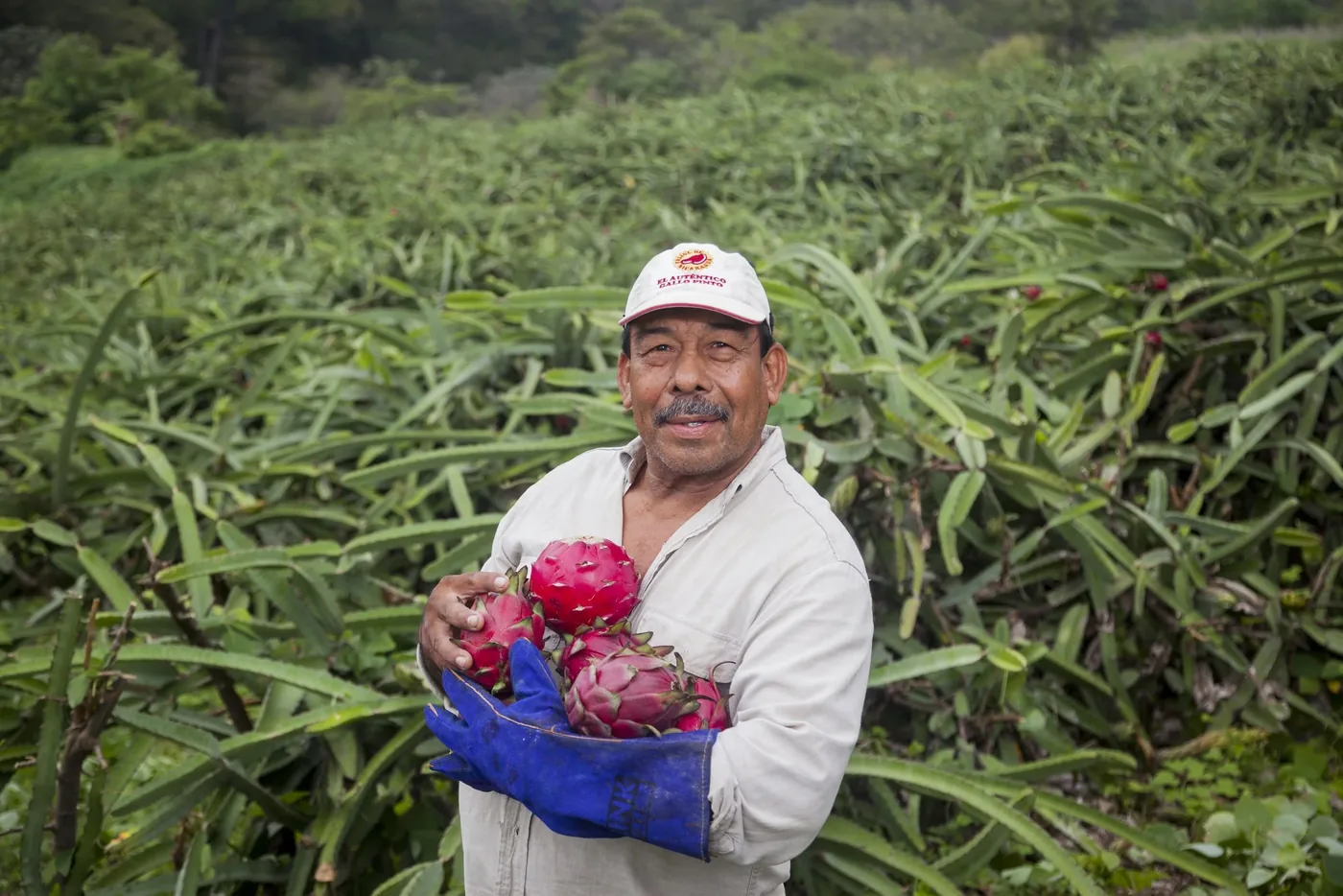
October gives fair trade a month in the spotlight. The harder question is what happens during the other eleven.
For us, fairness is not a seasonal message. It is a way of making decisions about relationships, documentation, pricing, technical support and the long path between a farm and a finished ingredient. It asks us to look beyond the transaction and consider whether the supply chain can keep working for the people at its beginning.
That standard is demanding. It should be.
Fair trade begins before the purchase order
A purchase order records what a buyer needs. It does not explain what a farmer had to navigate before the fruit was ready.
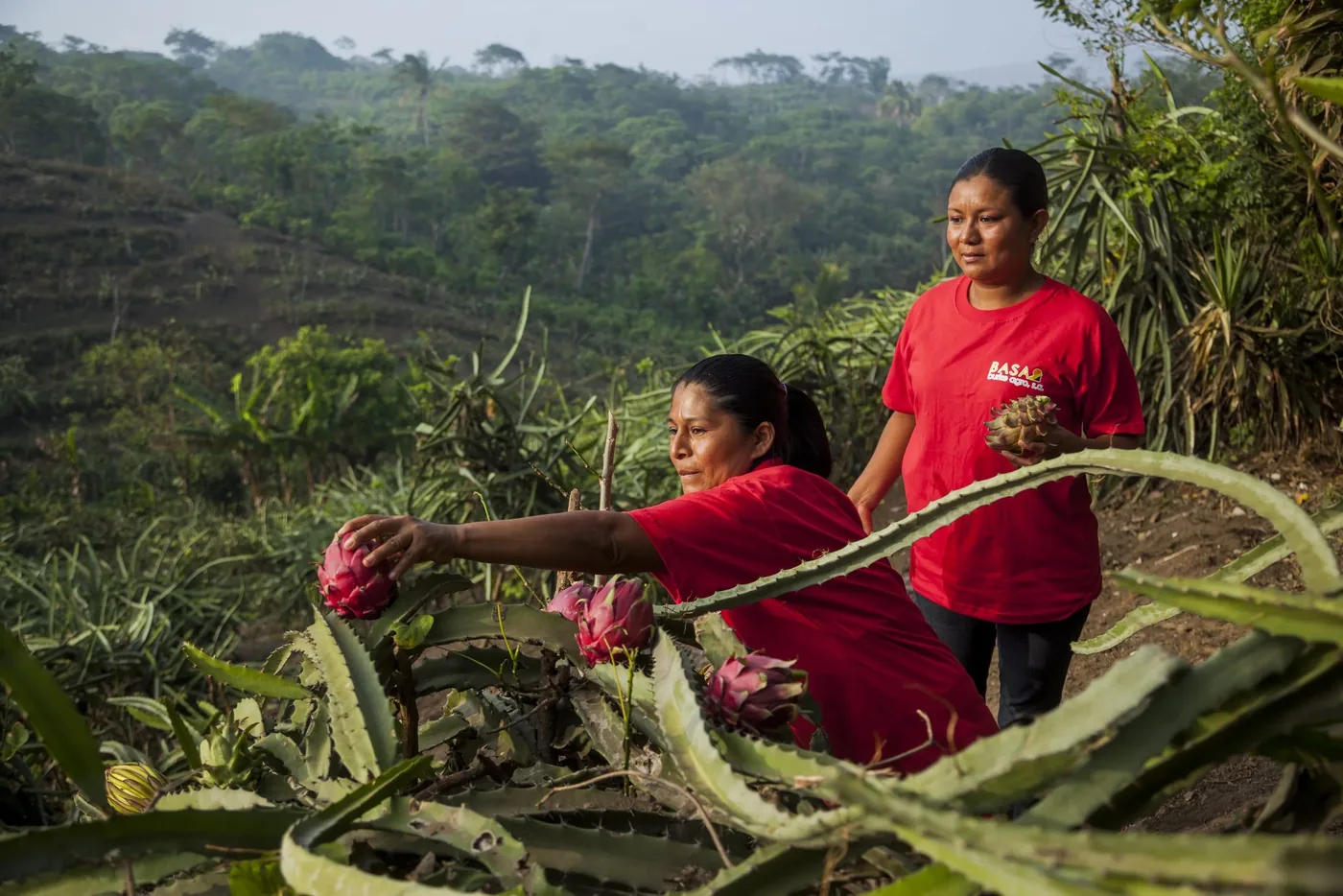
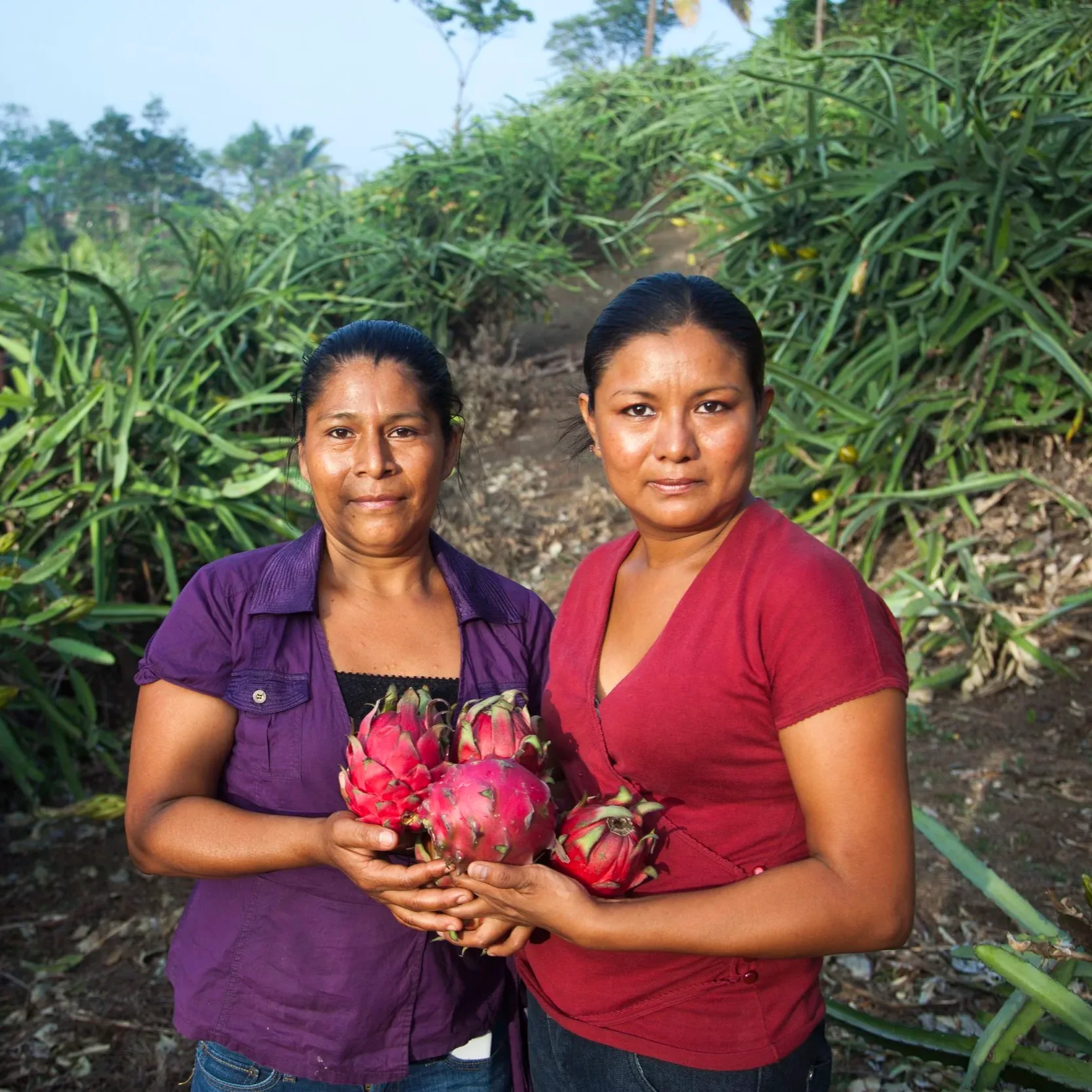
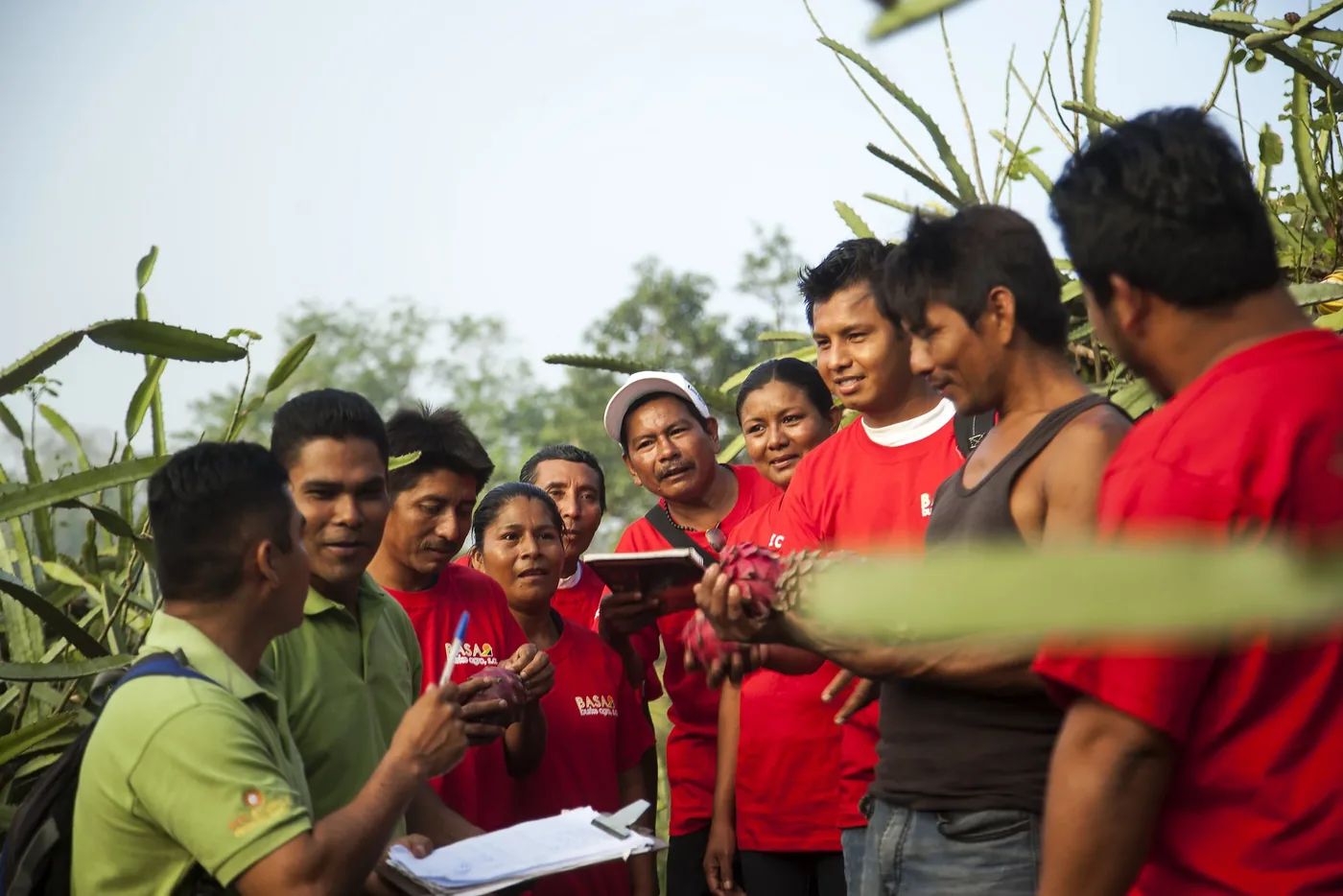
Smallholder farmers in Nicaragua work within changing weather patterns, transportation constraints, crop risk and markets that do not always reward quality or long-term stewardship. A responsible sourcing relationship has to recognize that reality. It should create more visibility, clearer expectations and a better reason for farmers to keep investing in their land.
Our model is built around direct relationships with small farmers. We buy from them without intermediaries and support those partnerships through technical assistance, organic input distribution, credit programs and long-term contracts. Those commitments are described in our company story, but their meaning is practical: a more connected supply chain gives us more opportunities to address problems together instead of passing them to someone else.

Certification matters. So does precision.
Fair trade certification gives buyers and consumers an independent framework for evaluating labor, livelihoods, environmental responsibility and supply-chain practices. Third-party standards matter because words such as “ethical” and “sustainable” are easy to use and harder to prove.
They also need to be communicated accurately.
Certification availability can vary by crop, product, program and shipment. We do not treat one certificate as a blanket claim for every ingredient we sell. During qualification, buyers should confirm the current specification, certificate scope and lot documentation for the exact product they intend to purchase. Our certifications page provides the broader context; the current technical file provides the product-level answer.
That distinction may sound procedural. It is really about trust.
Fairness has to survive contact with operations
A sourcing claim becomes useful when it changes how a supply chain works.
For us, that means connecting farmer relationships with processing, quality systems, traceability and export support. It means knowing where fruit came from, how it was handled and which documentation follows it. It means giving food and beverage teams enough information to evaluate an ingredient rather than asking them to rely on a story alone.
Our direct-trade approach supports that connection. It gives us a closer view of origin and allows farmers, processors and buyers to work with fewer layers between them. The result is not a perfect or frictionless system. Agriculture does not work that way. The value is that the relationships are visible enough to improve.
Fair trade and regenerative agriculture answer different questions
Fair trade and regenerative organic agriculture are related, but they are not interchangeable.
Fair trade standards focus on people, working conditions, livelihoods and fairer commercial relationships. Regenerative Organic Certified® brings together requirements related to soil health, animal welfare and social fairness. Organic certification addresses its own defined production standards. Each framework contributes a different kind of evidence.
When several apply to a product or program, they can create a stronger picture of responsible sourcing. They should still be named separately and verified separately.
This matters to ingredient buyers. A procurement team may need certification scope. Quality may need the current specification and certificate. R&D may need format, Brix, pH or handling information. Sustainability teams may need origin and program evidence. “Fair” becomes credible when those questions can be answered with the right document.
What Fair Trade Month asks of buyers
Fair Trade Month is a useful invitation to look more closely. Before choosing an ingredient, buyers can ask:
- Is fair trade certification available for this exact product and program?
- Who grows the fruit, and how direct is the commercial relationship?
- What support exists beyond the moment of purchase?
- Can the supplier connect origin, processing and lot documentation?
- Are sustainability claims specific enough to verify?
- What happens when weather, quality or logistics create pressure?
Those questions do more than screen suppliers. They reveal how a company behaves when the easy language runs out.
The month ends. The relationship continues.
We welcome Fair Trade Month because it creates space for a conversation that deserves more attention. But we do not want fairness to become an October decoration.
The work continues in farm visits, technical conversations, purchase commitments, certification files, quality reviews and the daily decisions that determine where value moves through a supply chain. It continues when a buyer asks for evidence and when we answer with something more useful than a slogan.
For us, fair sourcing means building relationships strong enough to carry both opportunity and accountability. That is not a campaign. It is the work.
Product-development resource
Fair sourcing questions for ingredient buyers
Use certification as the beginning of qualification, then ask how the relationship works in practice.
Talk with our team about certification availability, specifications and traceable tropical fruit ingredients for your next product.
Research basis: Fair Trade USA; Fairtrade International; our company, certification, impact and direct-trade pages. Certification availability remains product- and program-specific.