Certification · Buyer due diligence
A Certification Logo Is the Last Step Buyers See
The logo is the part buyers recognize. The system behind it is what makes the claim usable.
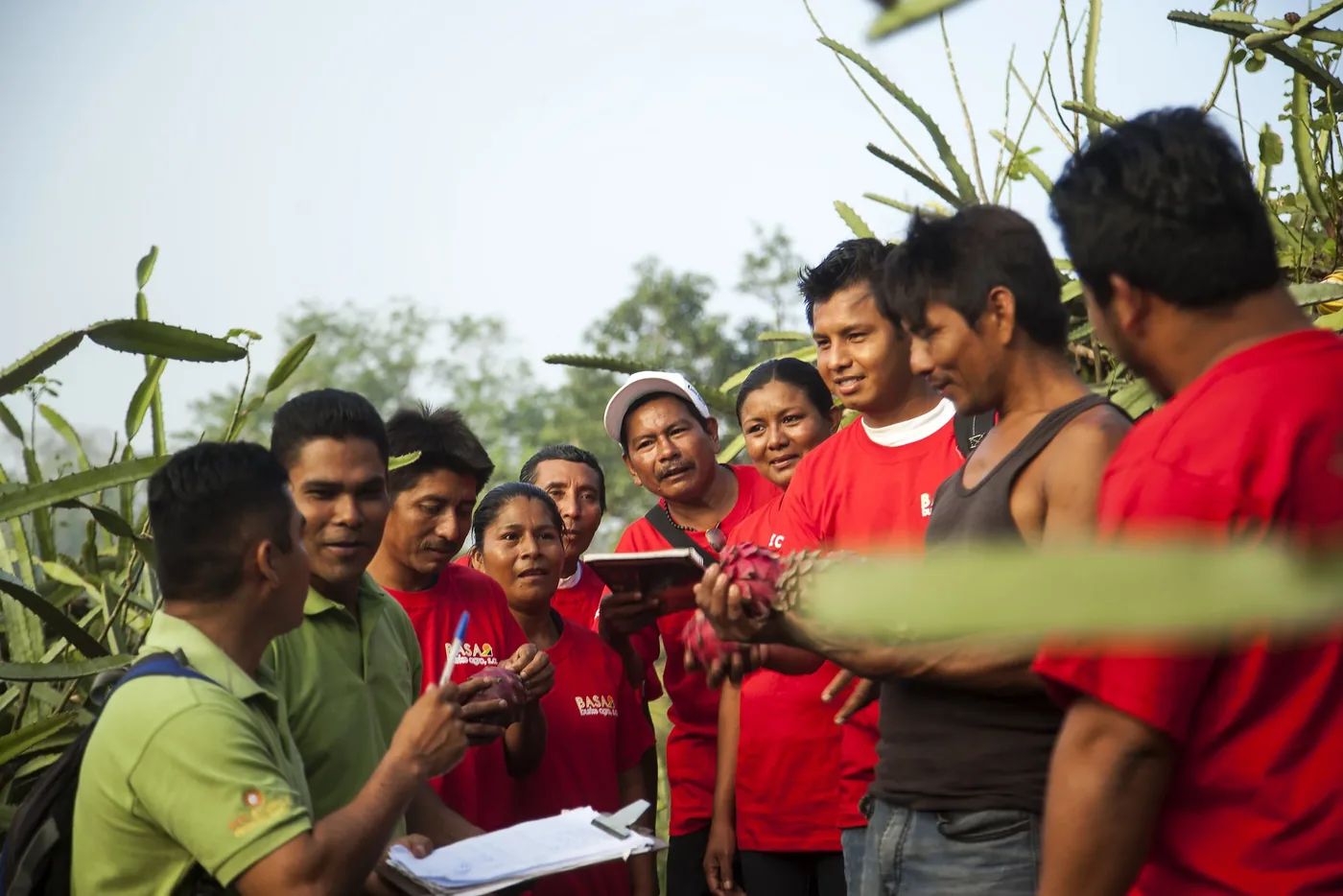
By the time a certification logo reaches a sell sheet, most of the work is already invisible.
The buyer sees a mark. The farm has lived through a sequence.
It begins with a baseline: what is growing, how the land is managed, which records exist, where the risks are and what the farmer would need to change or document. No two farms begin in exactly the same place.
Some already use practices aligned with a standard but have never organized the evidence. Others need changes in crop management, inputs, soil protection or recordkeeping. The certification journey has to distinguish between those situations.
From there, the work typically moves through nine connected stages:
1. Initial farm assessment. 2. Farmer onboarding and technical accompaniment. 3. Crop-specific practice changes where needed. 4. Internal audits and documentation. 5. Organic, Fair Trade or ROC milestones within the applicable scope. 6. Corrective action, monitoring and continuous improvement. 7. Product qualification and connection to a market. 8. Tracking relevant soil, water, biodiversity or cover practices. 9. Maintaining the evidence after certification is achieved.
The order matters.
Certification without market access can leave farmers with added work and no durable commercial return. Market access without verification can leave buyers with claims they cannot support. Technical accompaniment connects the two.
For buyers, the roadmap is useful because it changes the supplier conversation.
Instead of asking only, “Are you certified?” ask:
- Which crop, farms and products are in scope?
- What was already in place at baseline?
- Which practices or documents changed?
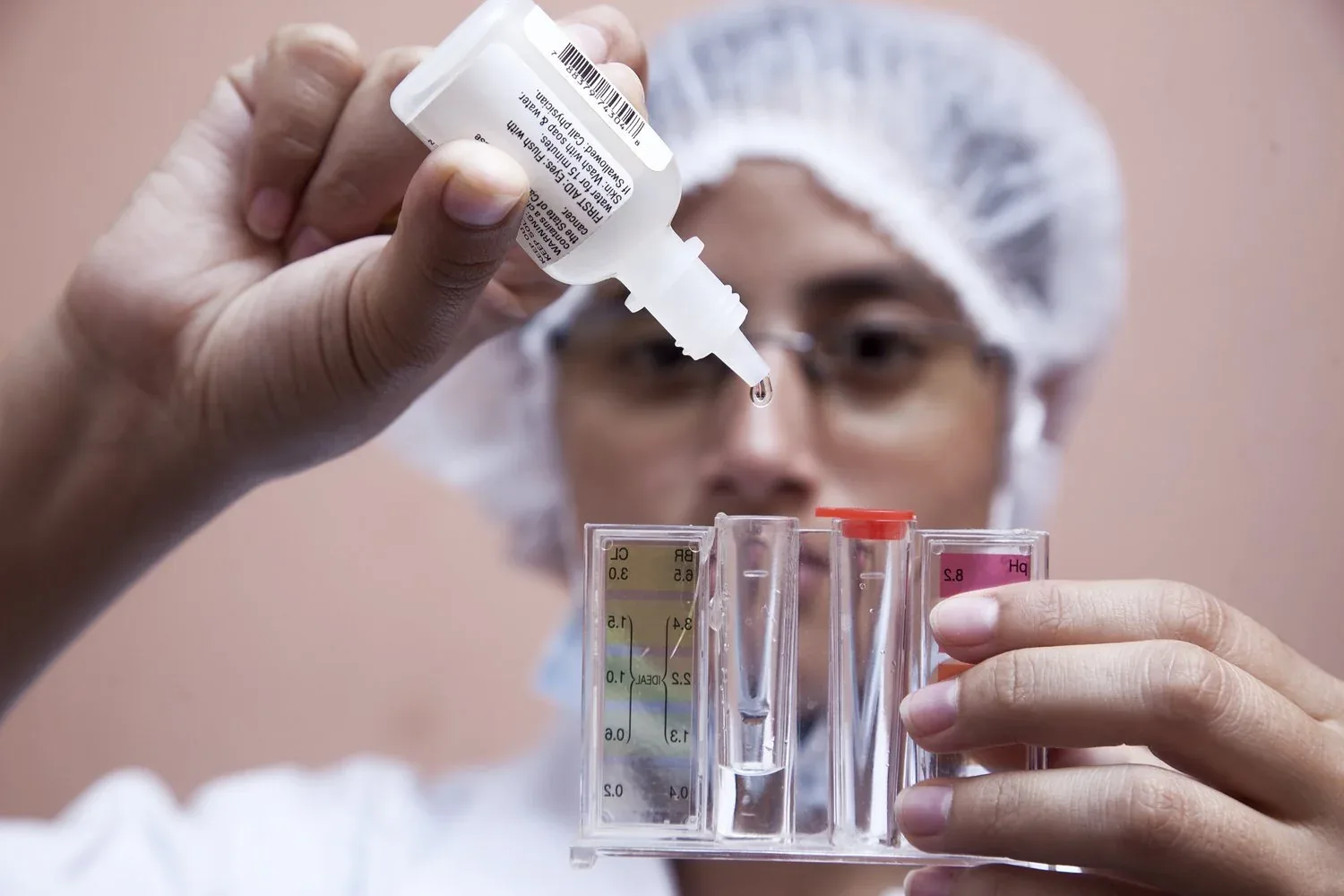
- How are internal audits performed?
- What corrective actions remain open?
- How does farm scope connect to the offered ingredient and lot?
- What does continuous monitoring look like after the certificate is issued?
Those questions make certification operational.
At Sol Organica, our role is to connect farm-level work with processing, specifications, documentation and the buyer’s qualification process. That connection is important because a crop certificate and a finished ingredient are not the same document. The buyer needs to understand both.
The logo may be the most visible part of certification. It should never be the only part a supplier can explain.
Scope is part of the product conversation
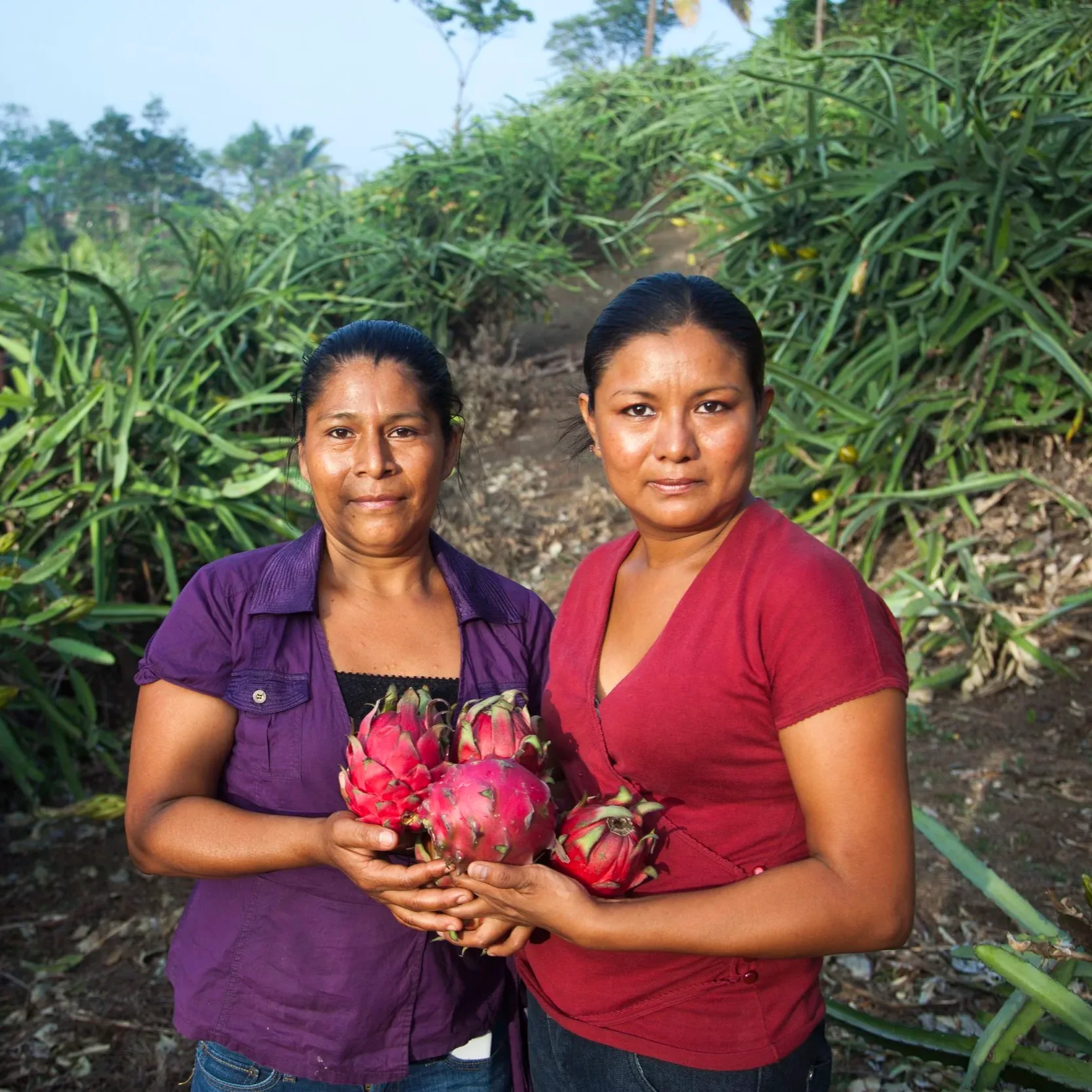
Our crop programs include mango, pineapple, banana, lime, plantain and coconut within regenerative organic work, alongside organic pitahaya programs. For any purchase, the current certificate and exact product scope remain the documents that control the conversation.
That precision helps buyers use certification confidently without stretching one crop or farm claim across an entire portfolio.
Request current certification scope, specifications and qualification documents for the exact Sol Organica ingredient your team is evaluating. Contact our team →
Product-development resource
Nine stages behind a certification claim
Use the roadmap to connect farm practices, documentation, product scope and the ingredient your team is evaluating.
Based on our certification-program case notes and the operational sequence used to connect farm onboarding, technical accompaniment, internal controls, product qualification and buyer documentation.