
Nicaragua · Regenerative sourcing
Why the Future of Regenerative Sourcing Begins in Nicaragua
Origin becomes meaningful when relationships, land and documentation remain connected.
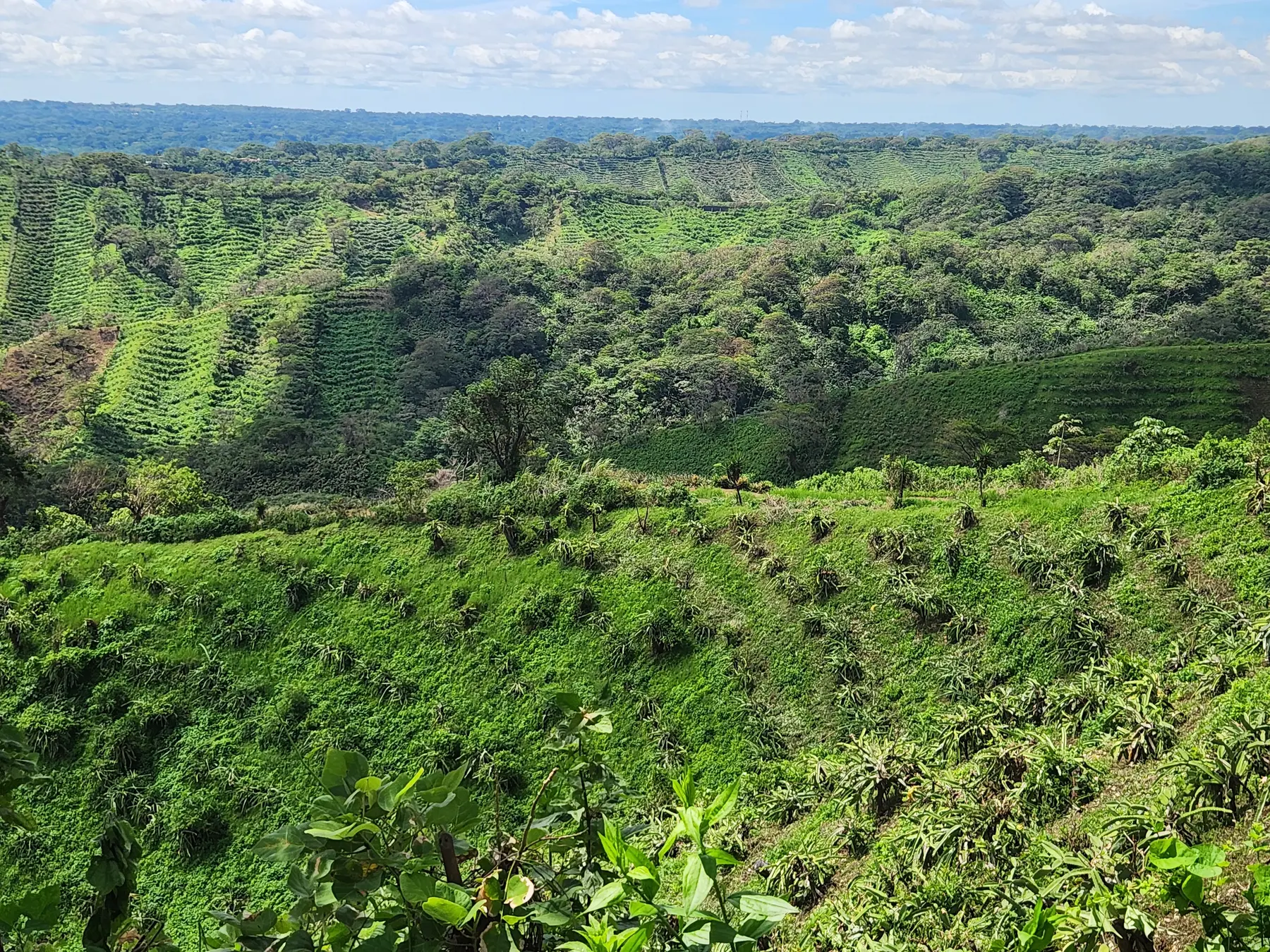
Nicaragua is often described through the language of risk: climate vulnerability, rural poverty, migration, fragile infrastructure and dependence on agriculture. Those realities are real. They are also incomplete.
Agriculture remains one of the foundations of daily life and economic participation. World Bank data shows that agriculture, forestry and fishing represented about 14.5% of Nicaragua’s GDP in 2025. Agriculture accounted for roughly 30.5% of employment, while about 40.6% of the population lived in rural areas. Personal remittances reached 26.6% of GDP in 2024.
These numbers describe a country where farming, rural livelihoods and income earned abroad are deeply connected. They also explain why the future of sourcing cannot be separated from the future of the people and landscapes at origin.
This is the context in which we work.
Farming is only the beginning of the supply chain
For many smallholder farmers, the challenge is not simply growing food. It is growing food under uncertain conditions: changing weather, limited technical resources, transportation barriers and buyer relationships that can disappear after one harvest.
When a supply chain is opaque, much of the value created at the farm can be diluted before the fruit reaches a processor, manufacturer or consumer. Traceability becomes difficult. Quality problems become harder to solve. Farmers receive fewer signals about what the market needs next.
We were built around a different idea: tropical fruit supply chains can be more transparent, more stable and more useful to the people who grow the fruit.
Through direct relationships with smallholder farmers in Nicaragua, we connect agricultural production with processing, quality systems, documentation and export markets. Our company story describes technical assistance, organic input distribution, credit programs and long-term contracts as parts of those relationships. The point is not to make farming sound simple. It is to make the relationship strong enough to work through complexity.
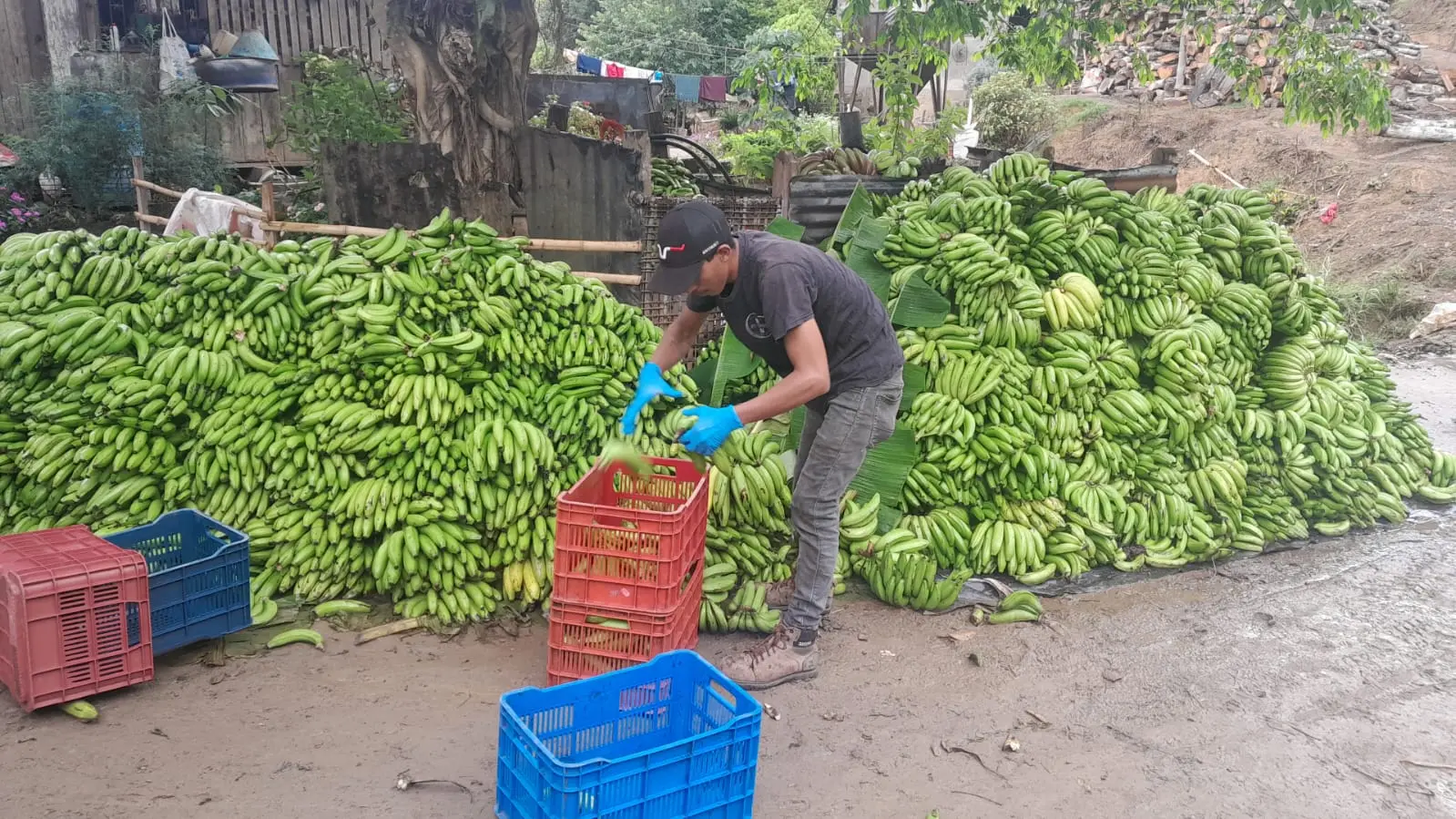
Support has to extend beyond the transaction
In a conventional commodity system, the farmer may meet the buyer only at the moment of sale. Regenerative and organic agriculture require more continuity.
Farmers need time, knowledge, inputs, documentation and buyers who understand that transitions do not happen in one season. Technical support matters. So does the commercial confidence to keep investing in soil, crop quality and farm management.
That continuity reaches beyond a single field. In a country where agriculture represents nearly one-third of employment, stronger farming systems can support steadier household income, preserve more value in rural communities and give families a reason to keep building a future on their land.
Resilience starts with the living system under the crop
Nicaragua’s tropical agriculture faces drought, heavy rainfall, storms, erosion and soil-fertility pressure. Regenerative practices respond by focusing on the living foundation of production: soil.
Composting, intercropping, agroforestry, cover crops, organic fertility management and biodiversity can help protect soil structure and improve the way farms manage water. The relevant practice varies by crop, farm and location. Regeneration is not a decorative layer placed on top of agriculture. It is a management approach that asks whether land can remain productive over time.
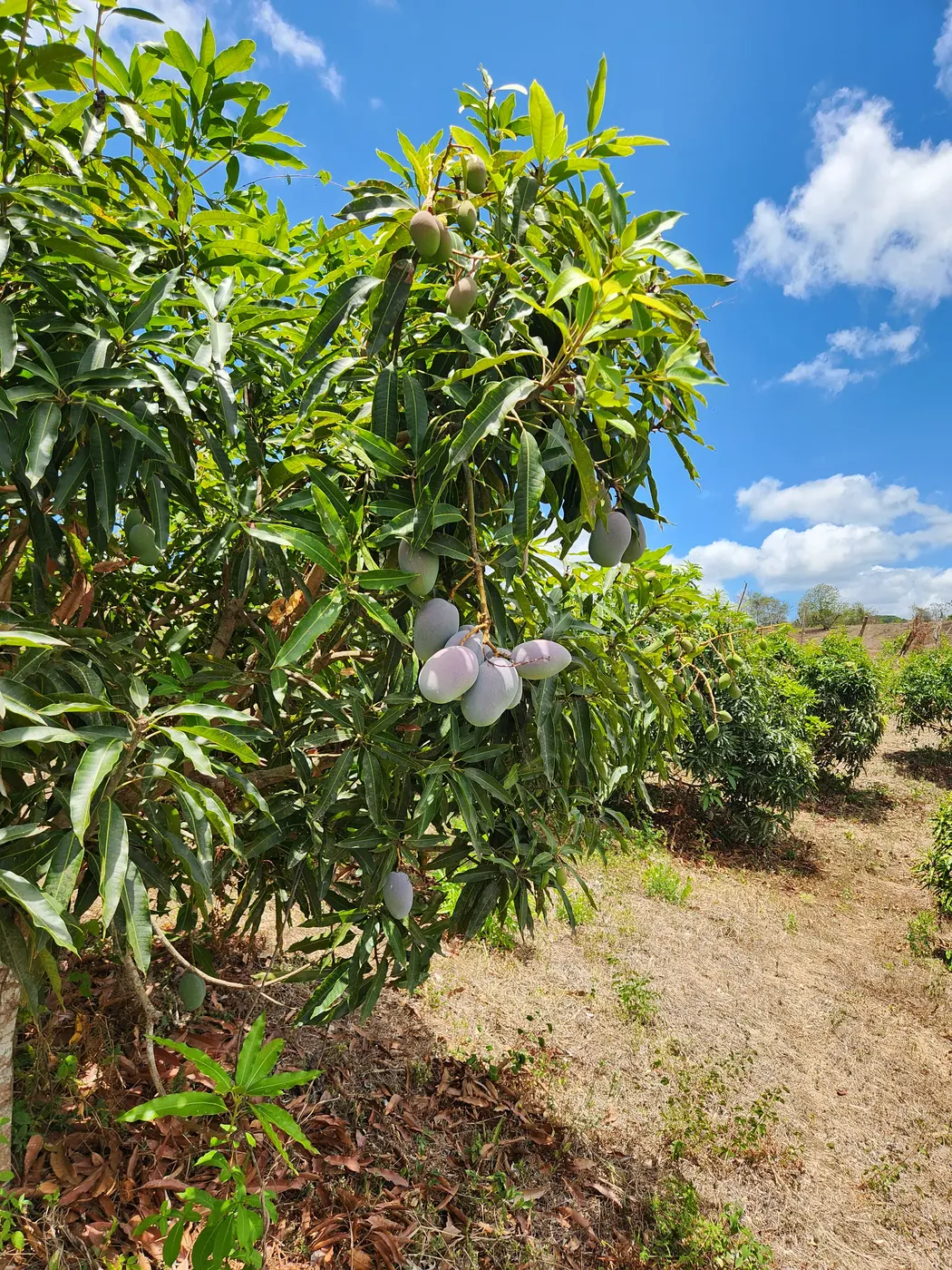
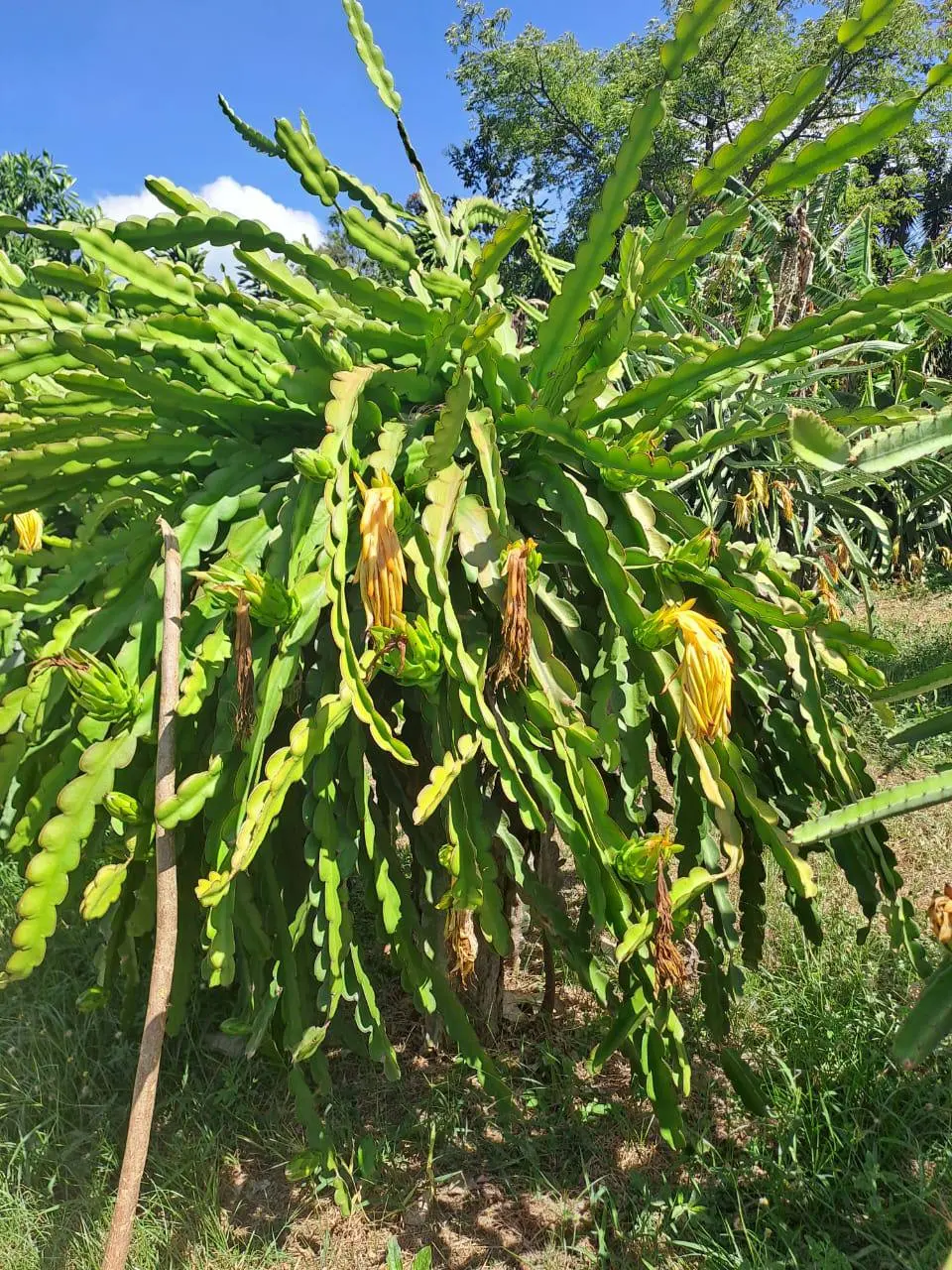
Our tropical fruit work—including banana, coconut, dragon fruit, mango and pineapple—connects ingredient sourcing with that longer view. Certification can provide useful evidence, but it must be communicated precisely. Regenerative Organic Certified® applies only where the relevant product or program is within scope. Organic, fair trade and other certifications have their own scopes and documentation. Buyers should confirm the current status for the exact ingredient they are evaluating.
Traceability turns origin into useful information
For food and beverage companies, sourcing is no longer only about price and availability. Procurement, quality, R&D and sustainability teams need different answers from the same supply chain.
Where was the fruit grown? Which specification applies? How was it processed? What documentation is current? Which certification covers this product and program? What happens when a lot falls outside a target?
Our role is to connect farm-level relationships with processing, quality control, documentation and export support so those questions can be answered with evidence. A buyer evaluating purées and juices, IQF tropical fruit, dried fruit or powders and flours needs more than an origin story. The format, specification and documentation must fit the intended product.
That is why we treat traceability as an operating tool. It helps teams qualify ingredients, investigate issues and plan supply with a clearer view of what happened before the fruit reached them.
Nicaragua deserves a more accurate sourcing story
Nicaragua’s economy grew by approximately 4.9% in 2025, while GDP per capita reached about US$3,173, according to the World Bank. Growth does not erase the pressures facing rural families. It does show why the country should not be described only through vulnerability.
Nicaragua is also a place of agricultural knowledge, tropical biodiversity, entrepreneurial capacity and communities building value under difficult conditions.
We are not simply sourcing from Nicaragua. We are working inside a larger question: how can global markets create more durable value for the people and ecosystems at the beginning of the supply chain?
Our answer is partnership.
We work directly with smallholder farmers, support organic and regenerative practices, process tropical fruit in Nicaragua and connect that work with buyers in international markets. It is not charity, and it should not be reduced to a marketing story. It is a business model built on a practical premise: ingredient quality, farmer stability, soil health and supply-chain transparency are connected.
Better ingredients begin with better relationships
The future of food will not be built only in laboratories, retail aisles or corporate sustainability reports. It will also be built in fields where farmers decide whether the land can support another generation, in facilities that protect quality and traceability, and in purchasing decisions that determine whether value reaches the source.
Nicaragua gives us a clear view of that connection.
Better sourcing does not begin with a claim. It begins with a relationship strong enough to be documented, tested and improved over time.
Product-development resource
From origin story to sourcing evidence
A stronger sourcing model connects what happens in the field with what a buyer can verify.
Talk with our team about traceable tropical fruit ingredients, current certifications and format-specific specifications.
Research basis: World Bank Open Data for Nicaragua (latest non-null observations cited in the article); our company, impact and certification pages; Regenerative Organic Alliance ROC Standard.