
Digestive health · Claim substantiation
Gut Health Claims Are Growing Faster Than Consumer Understanding
Ingredient reputation is where the question begins, not where substantiation ends.
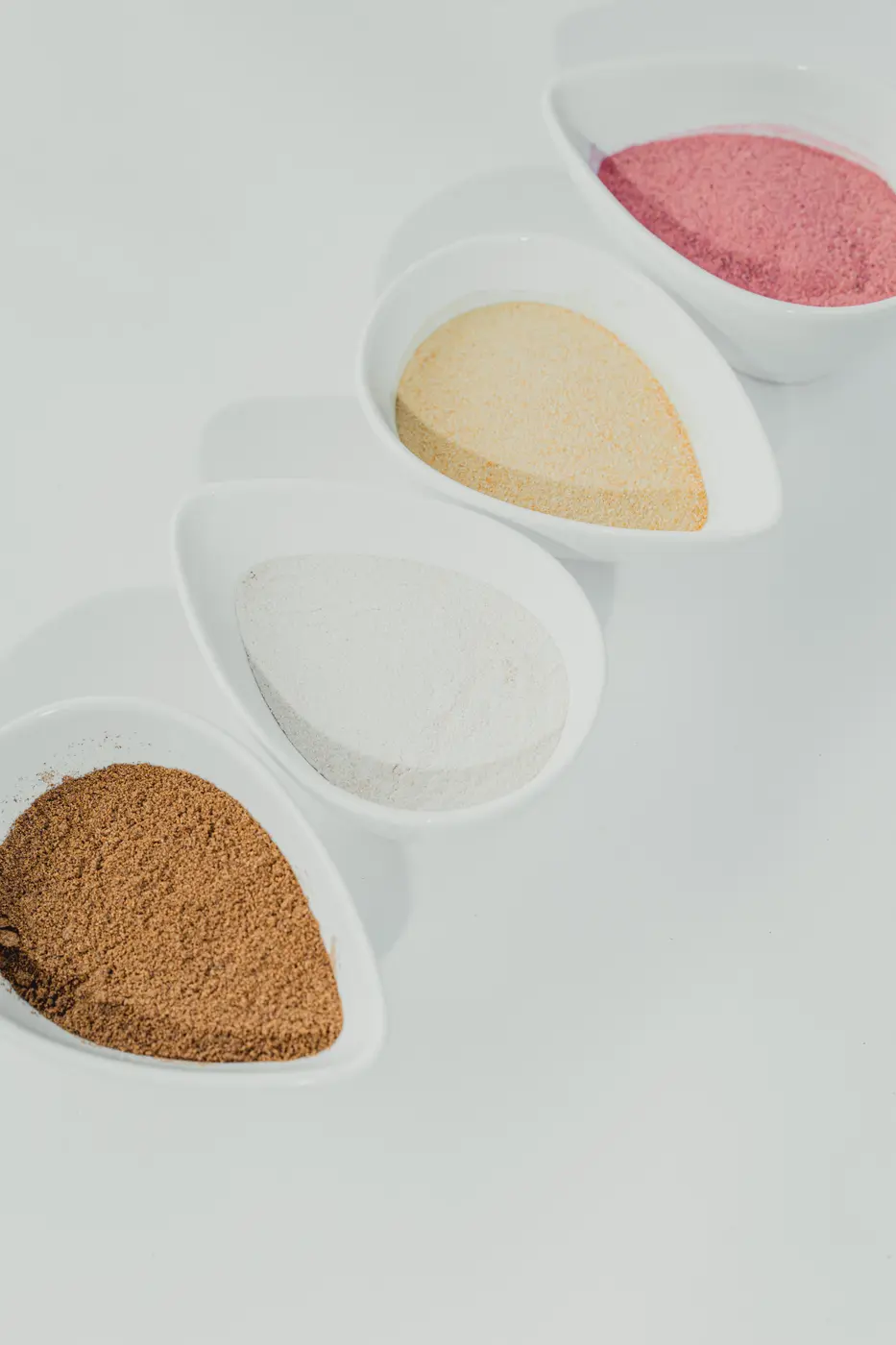
The digestive-health aisle is full of confident nouns: probiotics, prebiotics, postbiotics, fiber, enzymes, cultures. Consumers may recognize the words without knowing what they mean or how one product differs from another.
Mintel’s Digestive Health — US — 2026 argues that awareness is rising while understanding remains shallow. That gap creates a temptation to simplify until the claim becomes misleading. It also creates a better opportunity: explain the ingredient plainly and show the evidence.
Green banana flour is a useful case study.
What green banana flour is
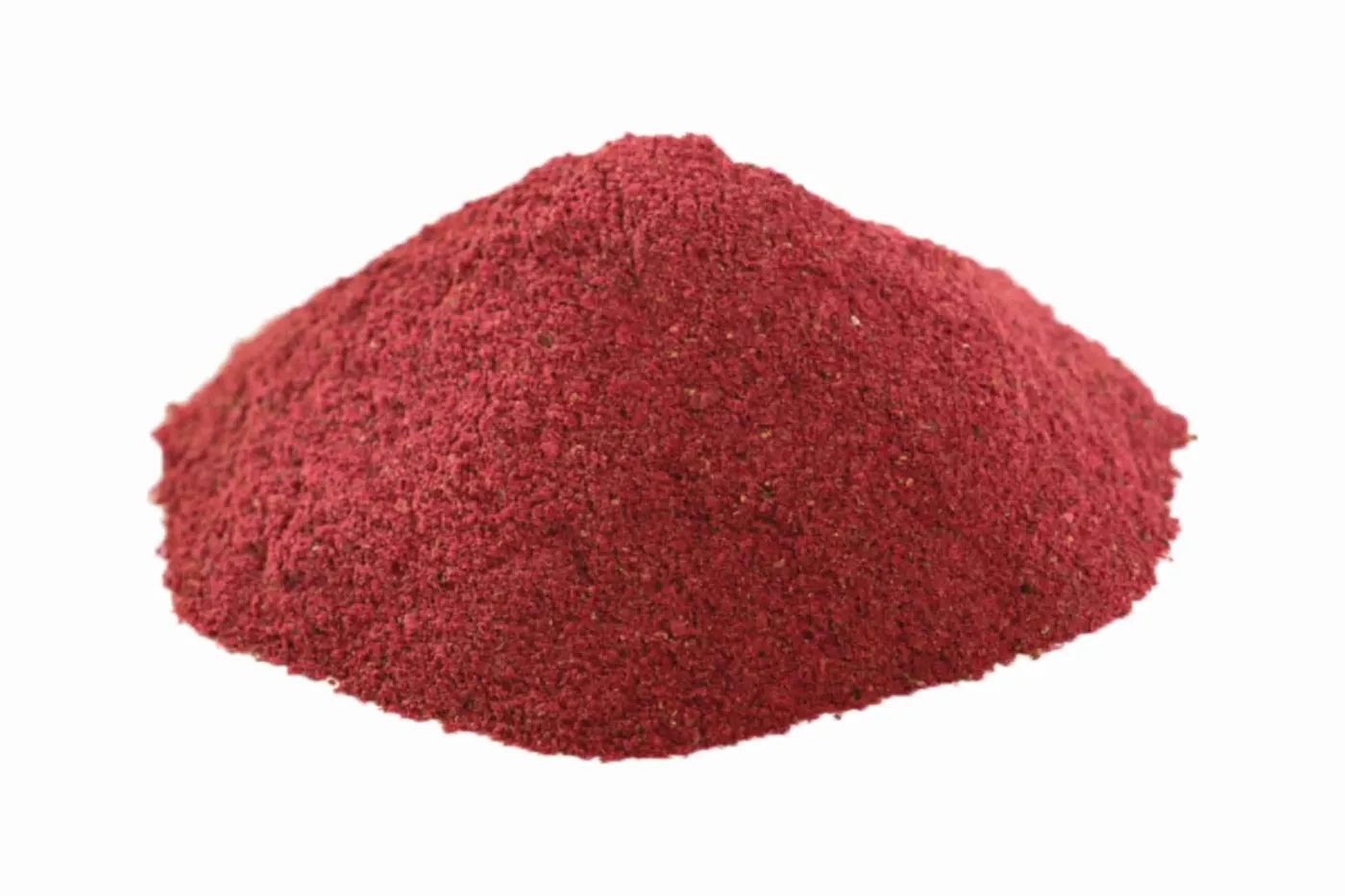
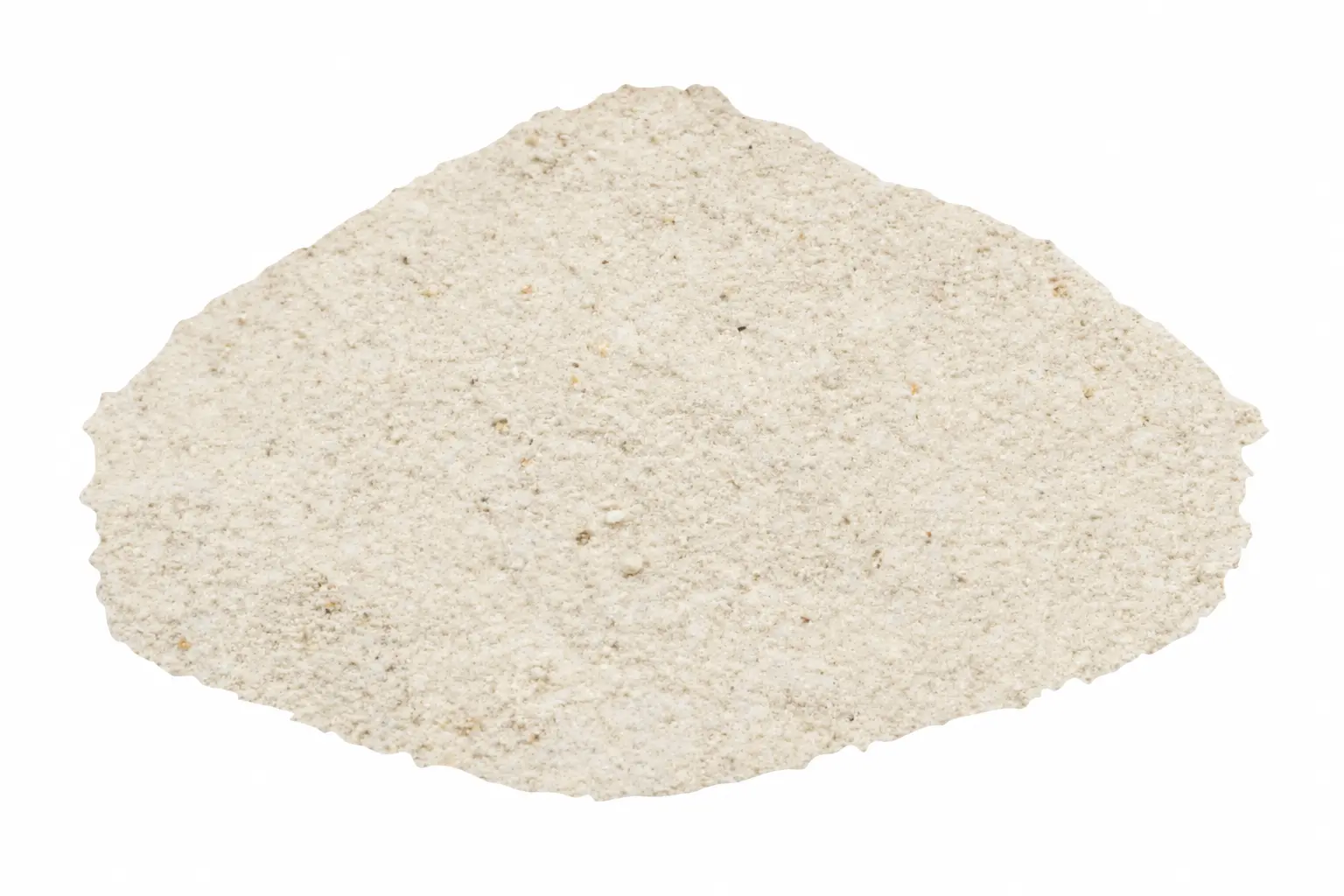
Our flour is made from green bananas grown in Nicaragua. We wash and disinfect the fruit, separate it from the skin, dry it using solar energy and liquid propane gas in industrial cabinet dryers, then mill it through a 0.5 mm screen and pack it. The linked specification lists green banana as the sole ingredient and states that the product is made without sugar or preservatives.
The flour can be evaluated for bakery, snacks, bars, dry blends, sauces and specialty food applications. The specification states that the facility does not use or process the major allergens defined by the cited US and EU regulations, but it does not itself make a finished-product gluten-free claim. Any such claim should be reviewed against facility controls, testing and destination-market requirements.
Green banana is often discussed in relation to resistant starch. Our linked specification, however, does not state a resistant-starch value. That is where formulation interest begins—not where substantiation ends.
Processing changes the answer
Resistant starch is not a magic number permanently attached to the words “green banana.” Variety, maturity, drying, milling, storage and the customer’s own cooking process can affect the amount and behavior of starch in the finished food.
A baked cracker, an uncooked nutrition mix and a heated sauce will not necessarily deliver the same result.
If a brand wants to make a quantitative fiber claim or a digestive-health claim, it should test the relevant ingredient lot and finished product using an appropriate method. It should also review the claim against regulations in the market where the product will be sold.
This is slower than copying a popular claim from the internet. It is also how credibility is built.
Make the benefit understandable
Mintel recommends translating digestive-health science into practical language. That does not mean dumbing it down. It means separating what is known from what is still being evaluated.
A responsible explanation might cover:
- what green banana flour is and how it is produced;
- how much is used in the finished product;
- the measured fiber or resistant starch content;
- what the approved claim actually says;
- how the food fits into an ordinary eating occasion.
The product should not require a microbiology lecture. It should survive one if the technical team asks.
Function cannot rescue a poor formula
Mintel’s Food and Drink Functional and Nutrition Claims — US — 2026 notes that protein, fiber and probiotics are reshaping how younger consumers think about health. It also predicts more scrutiny as functional benefits become mainstream.
That scrutiny will favor products that deliver a good eating experience and transparent evidence. Green banana flour can support a distinctive ingredient story and open useful formulation territory. It still needs to taste good, process consistently and make sense in the final product.
The better question is not “Can we put gut health on the front?” It is “What can this formula demonstrate, and can we explain it without hiding behind the trend?”
Product-development resource
Responsible claim-development flow
Separate what is known about the ingredient from what the finished formula can demonstrate.
We supply bulk organic green banana flour made from green Nicaraguan bananas. Request the current specification, sample availability and commercial information.
Research basis: Mintel, Digestive Health — US — 2026 and Food and Drink Functional and Nutrition Claims — US — 2026; linked green banana flour technical specification, reviewed October 2026.