
Gros Michel · Varietal identity for product development
The Banana Before the Cavendish: Why Gros Michel Still Matters to Product Developers
The banana variety that once defined the category still has something useful to teach modern ingredient buyers.
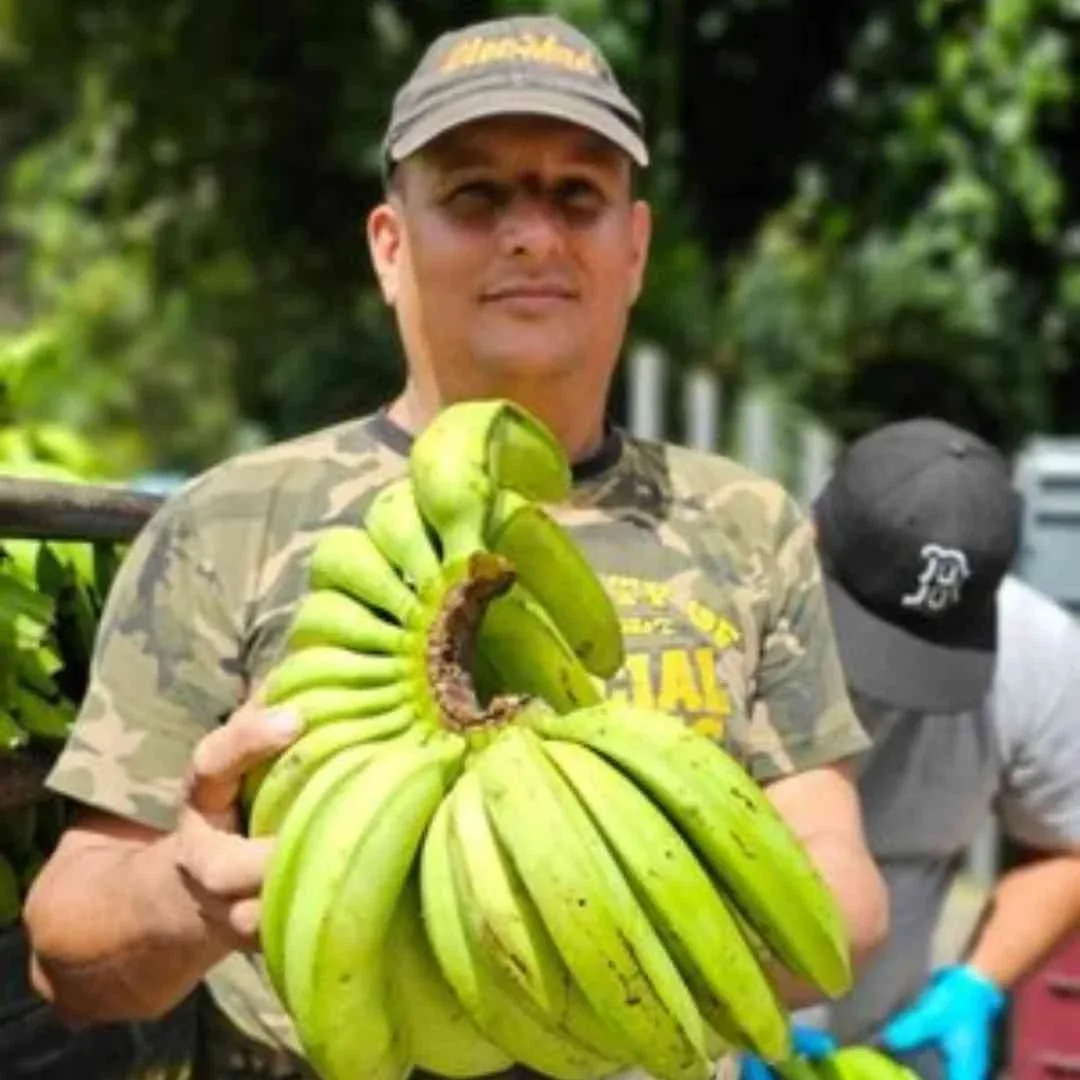
Most product developers know the banana flavor they want before they know the banana behind it.
They may be looking for aroma in a beverage, body in a smoothie, chew in a snack, recognizable fruit in a frozen application or a flour that works in a dry system. “Banana” sounds like a complete brief. It rarely is.
Variety, maturity and format all influence what the ingredient can do.
That is why the story of the Gros Michel banana matters. It is a piece of food history, but it is also a useful reminder for modern R&D and procurement teams: when an ingredient is treated as a commodity, valuable differences can disappear from the specification—and from the finished product.
The banana that built a category
Before the Cavendish became the familiar yellow banana in U.S. supermarkets, Gros Michel was the dominant export variety.
An Epicurious history of the fruit describes how Gros Michel entered the U.S. market in the late 1800s and remained the commercial standard for much of the following century. It appeared at breakfast tables, in desserts and in recipes written when “banana” meant a different cultivar than it usually does today.
The article’s sensory comparison is especially interesting for developers. The writer and quoted fruit specialists describe Gros Michel as fragrant, firm and creamy, with a lingering banana flavor. In side-by-side cooking tests, the firmer fruit held its structure better than Cavendish. Those observations are editorial and sensory—not a technical specification—but they explain why the variety developed such a strong culinary reputation.
Then the supply system failed it.
Large monoculture plantations propagated genetically similar plants across broad areas. When Panama disease, caused by a soil-borne fungus, spread through Gros Michel production, that lack of diversity became a commercial vulnerability. By the 1960s, the export industry had largely moved to Cavendish, which resisted the strain causing the losses at the time and fit the requirements of mass distribution.
Gros Michel did not become extinct. It became uncommon in the global commodity trade.
For ingredient buyers, that distinction matters.
A varietal story is useful when it changes the brief
“Heirloom” can be attractive language. It is not enough on its own.
A buyer still needs to know what the variety contributes to the intended application and whether the supplier can deliver it in a controlled, documented format.
Gros Michel gives product teams several useful avenues to explore:
- a distinctive varietal story for premium or heritage-led concepts;
- sensory differentiation that can be evaluated in the finished application;
- format flexibility across purée, IQF, dried fruit and flour;
- a sourcing narrative connected to crop diversity and origin;
- documentation that names the fruit rather than reducing it to generic “banana.”
The point is not to declare one cultivar universally better. It is to stop pretending every banana is technically interchangeable.
Choose the format by the job it needs to do
We work with Gros Michel bananas grown in Nicaragua and process them into several ingredient formats. Each begins with the same varietal identity, but each serves a different product-development need.
Banana purée: flavor, body and even distribution
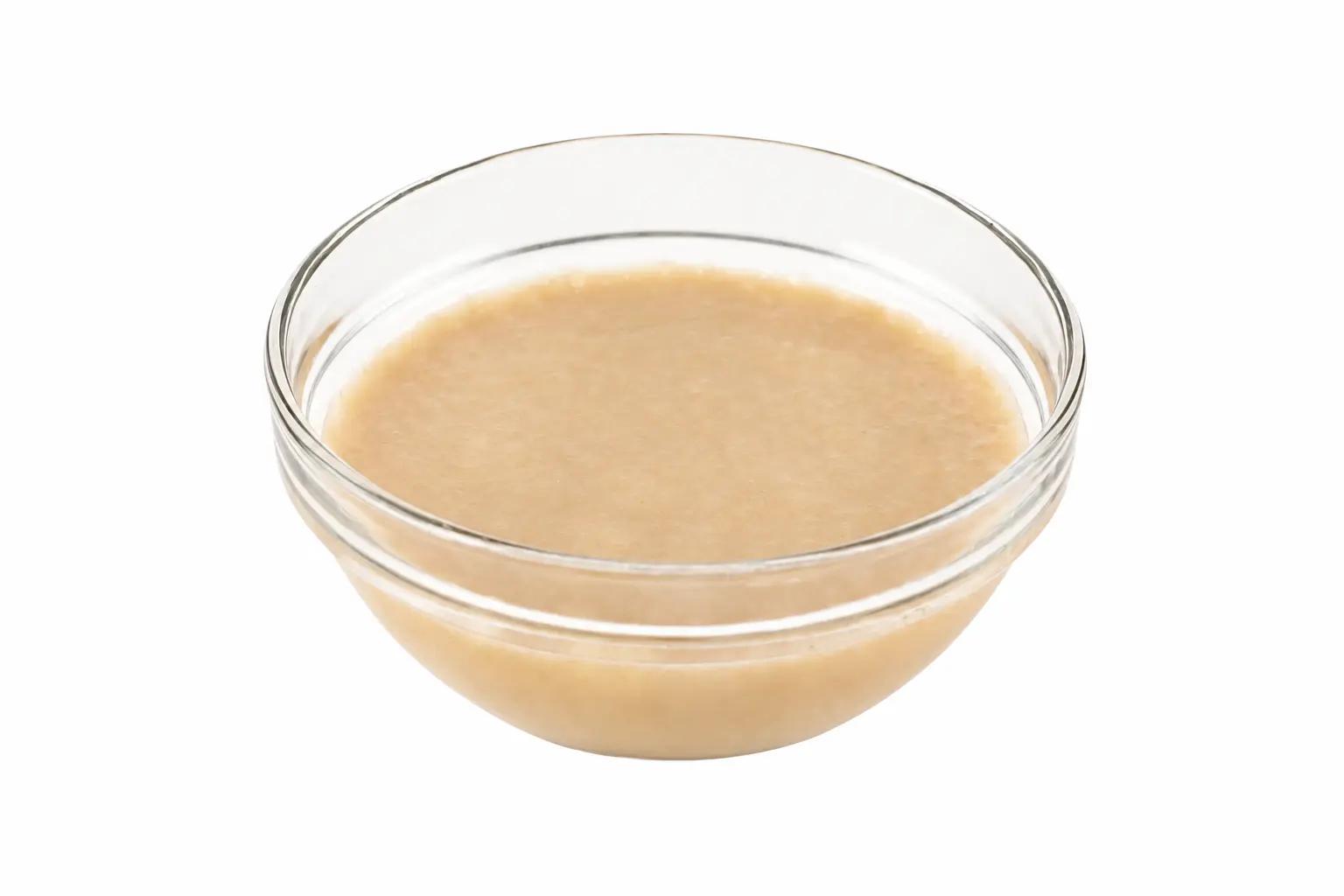
Our organic Gros Michel banana purée is designed for applications where fruit needs to disperse consistently: beverages, smoothies, sauces, frozen desserts and other processed foods.
The linked specifications identify organic Gros Michel banana with ascorbic acid at 500 ppm, screened to 0.5 mm, with 21–25° Brix and pH 4.60–4.90. The product is frozen and has a stated 24-month shelf life when stored at or below 0°F/-18°C. Certification availability must be confirmed for the exact program; the specifications list ROC and Fair Trade USA as optional.
For a buyer, the practical question is not whether purée sounds premium. It is whether the flavor, acidity, solids and texture fit the formula.
IQF banana: recognizable fruit and portionable pieces
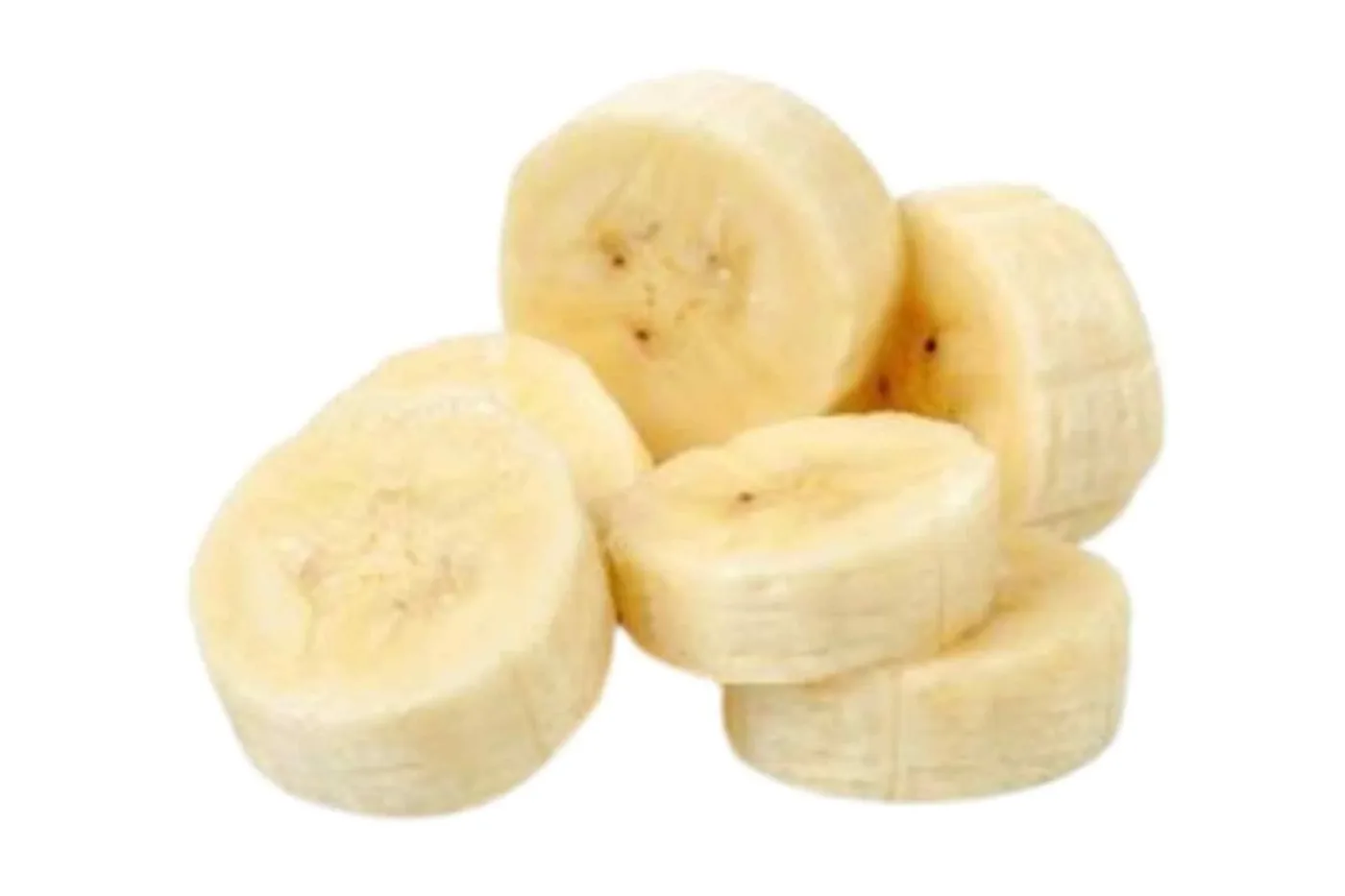
IQF banana is useful when the product needs visible fruit, piece identity or frozen handling. Smoothie packs, bowls, bakery applications and frozen desserts can benefit from a format that remains recognizable rather than disappearing into the base.
The current IQF specification should guide piece size, packaging, storage and certification review. Application performance should be evaluated with the actual format in the intended process.
Dried banana: chew, concentration and portability
Our dried banana specification identifies organic banana as the ingredient. The fruit is washed, peeled, hand-sliced and dried using solar energy and liquid propane gas. It is made without added SO₂, sugar or preservatives and carries a stated 24-month shelf life.
That makes dried Gros Michel relevant to snack mixes, bars, granola and bakery concepts where the fruit needs to contribute both flavor and texture. ROC and Fair Trade USA are optional under the specification, so buyers should confirm the program attached to the offered product.
Green banana flour: a different stage, a different tool
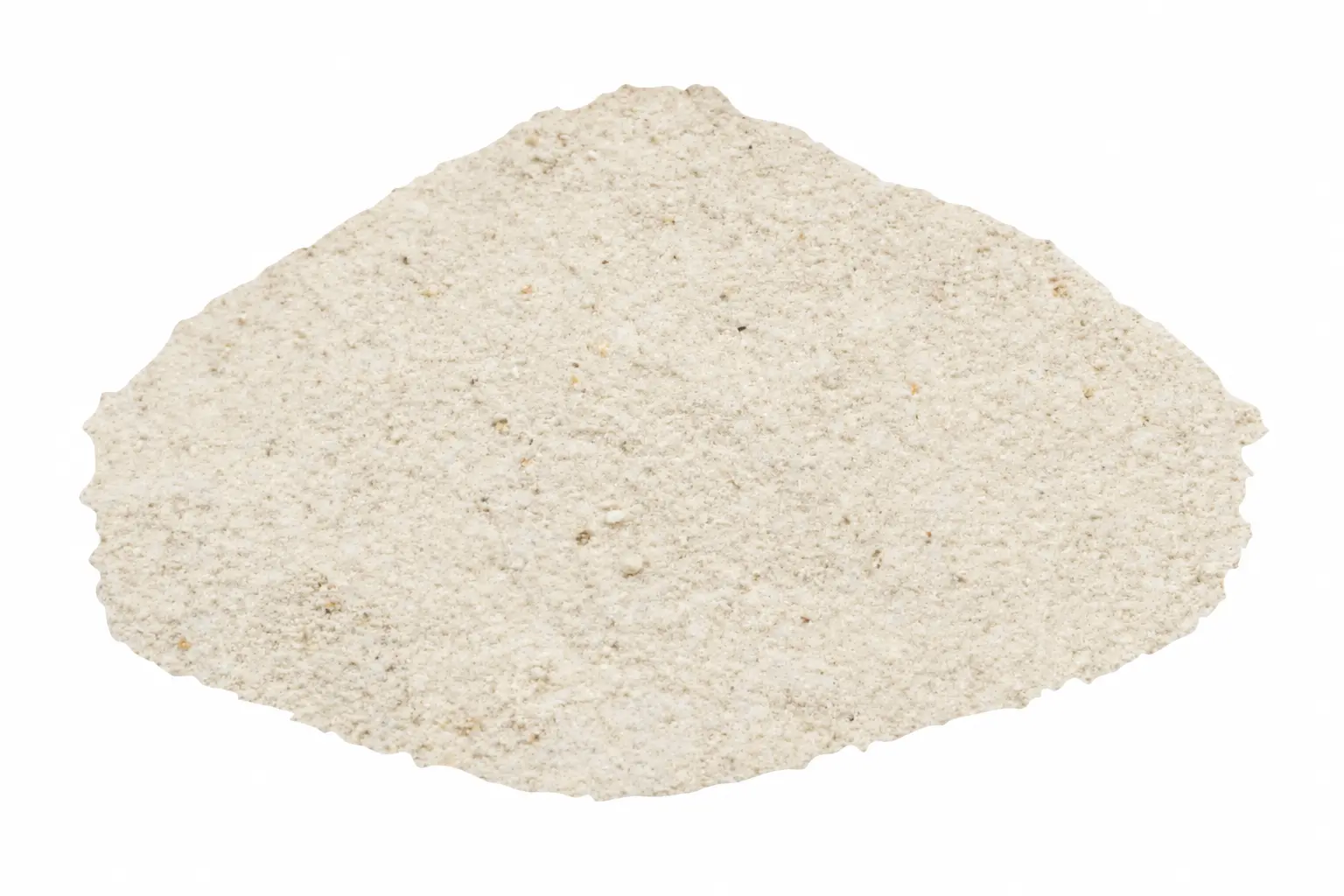
Green banana flour is not simply ripe banana in powdered form. Maturity changes the ingredient and the formulation question.
Our specification lists green Nicaraguan banana as the sole ingredient. The fruit is dried using solar energy and liquid propane gas in industrial cabinet dryers, then milled through a 0.5 mm screen. The specification sets humidity at 5–10%, water activity at no more than 0.55 and a 24-month shelf life.
The sheet does not quantify dietary fiber or resistant starch and does not itself establish a finished-product gluten-free claim. Those opportunities should be evaluated through appropriate analysis and review of the complete formulation.
Banana peel powder: using more of the fruit
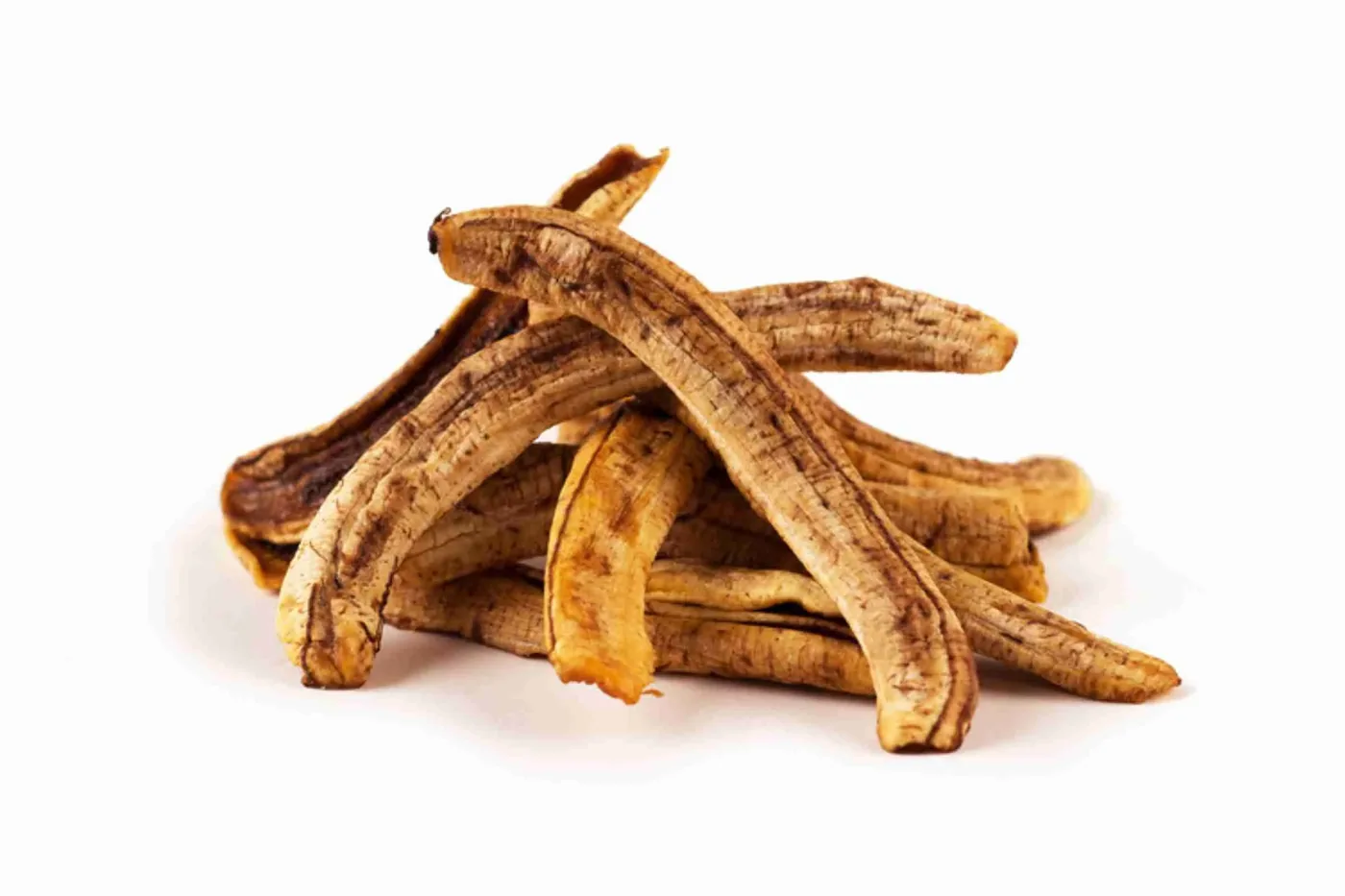
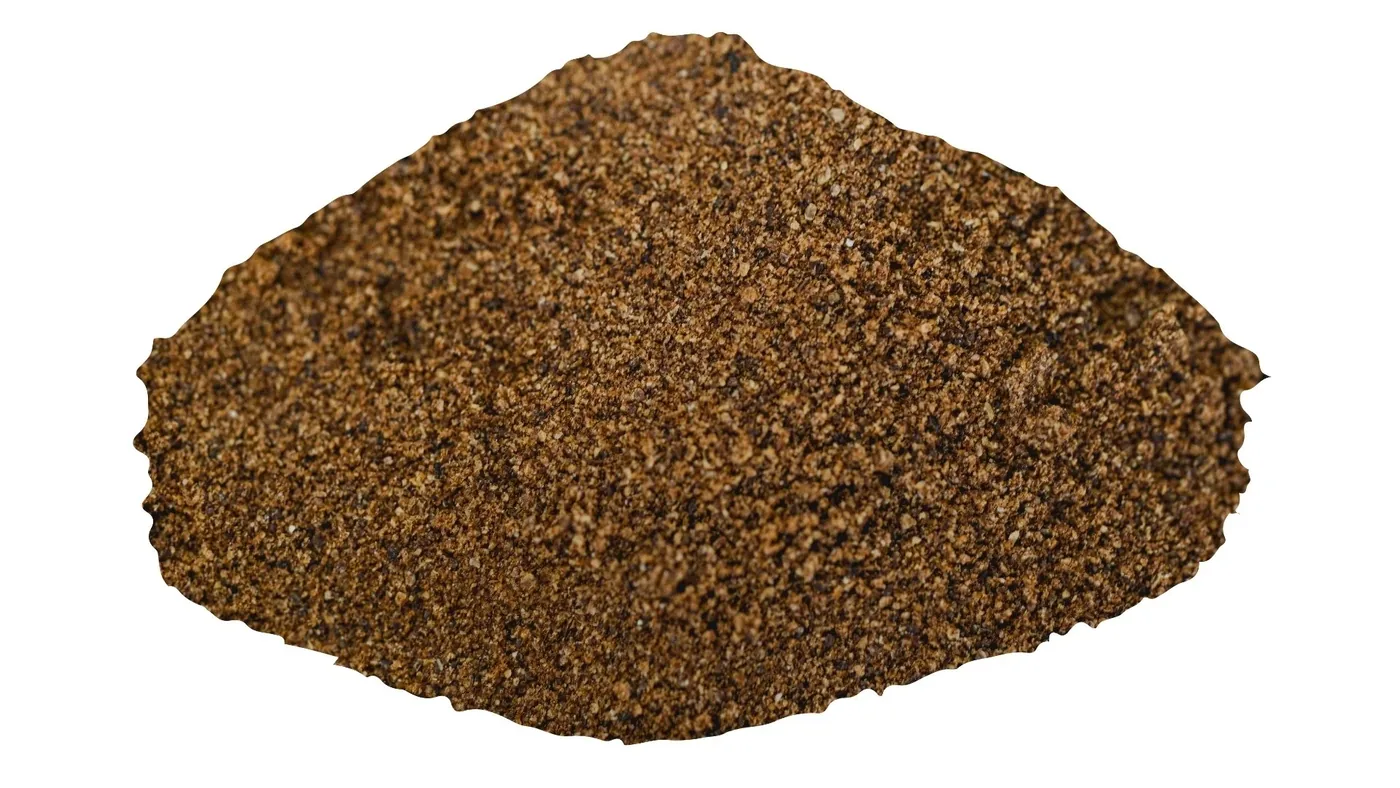
Banana peel powder offers a route for product teams exploring dry applications and greater use of the agricultural raw material. As with any powder, the conversation begins with the exact specification: ingredient identity, process, particle size, moisture, microbiology, packaging and intended use.
It should not be treated as interchangeable with green banana flour. The raw material and technical purpose are different.
Documentation turns heritage into a usable ingredient
A compelling origin story may earn attention. Documentation determines whether a buyer can move forward.
When evaluating a Gros Michel ingredient, we recommend asking for:
- confirmation of cultivar and country of origin;
- the current specification for the exact format;
- ingredient statement and process information;
- Brix, pH, moisture or water activity where relevant;
- microbiological and lot-level documentation;
- storage, shelf life and packaging requirements;
- current certification scope for the offered program;
- a representative sample for the intended application.
This is where varietal identity becomes commercially useful. Procurement can confirm what is being purchased. Quality can qualify the specification. R&D can test the format. Marketing can tell the history without inventing the technical story.
The lesson Gros Michel leaves for modern sourcing
The decline of Gros Michel in global trade is often told as a story about disease. It is also a story about systems built around uniformity.
For buyers, the lesson is not to reject scale or consistency. Both matter. The lesson is to avoid confusing consistency with sameness.
Crop diversity, direct relationships at origin, clear varietal identity and multiple ingredient formats can create more options for product teams. They can also make sourcing conversations more specific. Instead of asking for “banana,” a buyer can ask which banana, at what maturity, processed how, documented under which specification and intended to do what in the formula.
That is a much better brief.
What the history and specifications do—and do not—show
The flavor and cooking comparisons cited from Epicurious reflect the writer’s tests and expert commentary in that article. They are not universal sensory specifications for every Gros Michel crop or Sol Organica product. Flavor and texture can vary with maturity, farm conditions, processing, storage and application.
The historical account also does not mean Gros Michel is immune to disease or that preserving one cultivar solves the broader resilience challenge. Supply resilience depends on farm management, geography, plant health, diversification and long-term relationships.
Product facts in this article come from the linked Sol Organica specifications for the exact formats discussed. Certification scope differs by product and program and should be confirmed for the offered lot and supply arrangement.
Product-development resource
Gros Michel format selector
Choose the format after defining what banana needs to do in the finished product.
If your team is developing a product with a stronger banana identity, contact us. We can share current Gros Michel specifications, certification scope, samples, packaging and availability for the formats relevant to your brief.
Research basis: Epicurious, ‘Bananas Don’t Taste Like They Used To. Here’s Why’; our linked specifications for Gros Michel banana purée, IQF banana, dried banana, green banana flour and banana peel powder.