
Product development · Format strategy
Fruit Has a Friction Problem. Format Is Part of the Answer.
Fruit works harder when its format matches the job the product needs it to do.
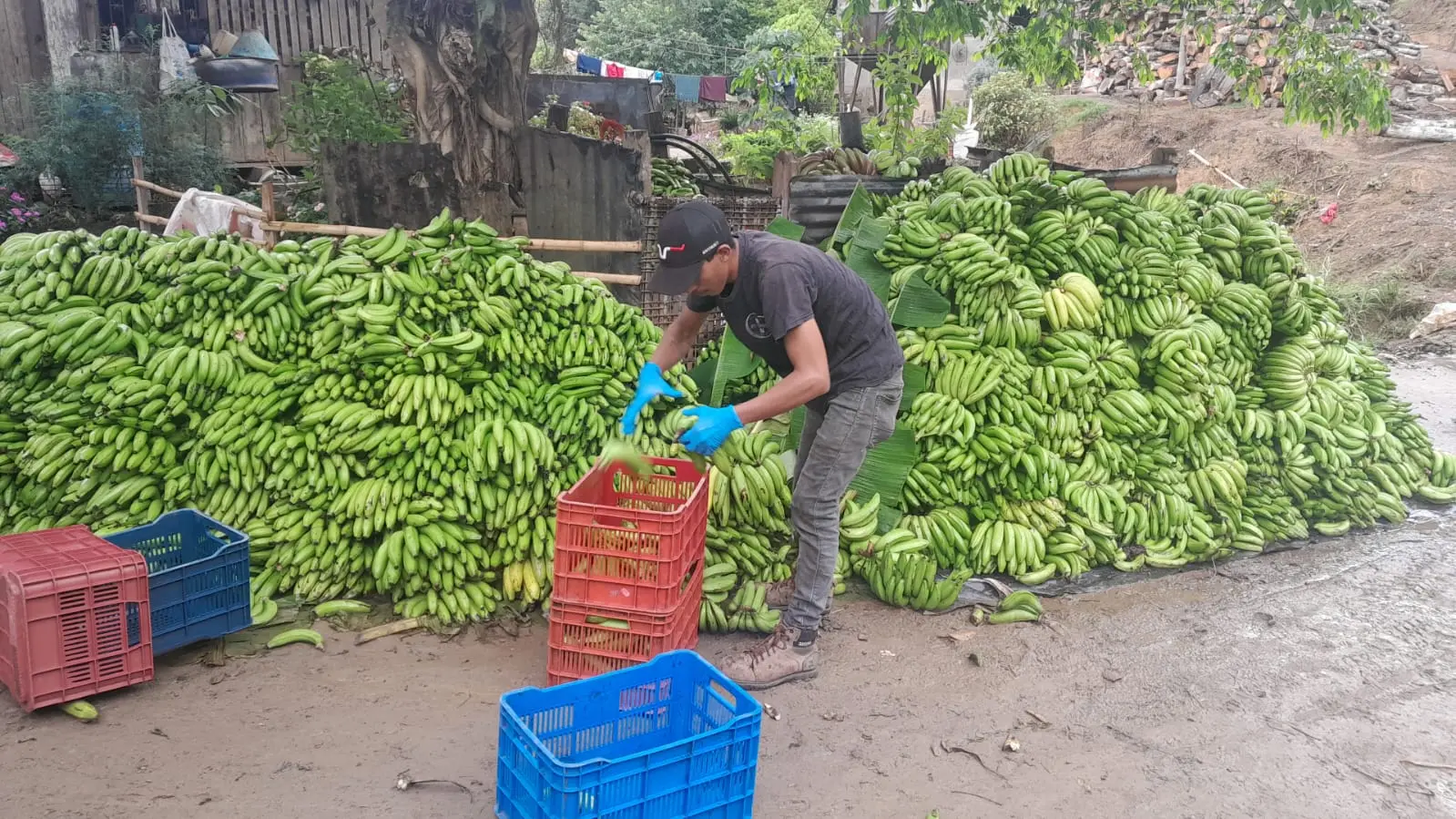
People do not need to be convinced that fruit belongs in the diet. The harder question is why good intentions so often end with a bruised banana on the counter or a forgotten clamshell in the refrigerator.
Mintel’s Fruit — US — 2026 report describes the tension clearly: demand is there, but spoilage, preparation and waste get in the way. It also points to format diversification—fresh, frozen, dried and pre-cut—as one of the ways fruit can fit more occasions.
For product developers, that is more than a consumer insight. It is a formulation question. The right fruit format can reduce handling, create a more repeatable process and make the intended eating occasion obvious.
Start with the job, not the format
A common sourcing mistake is to begin with a preferred format before defining what the fruit needs to do.
Does the formula need visible fruit pieces? Body? Natural color? A shelf-stable inclusion? A dry ingredient that can move through an existing blending line? The answers lead in different directions.
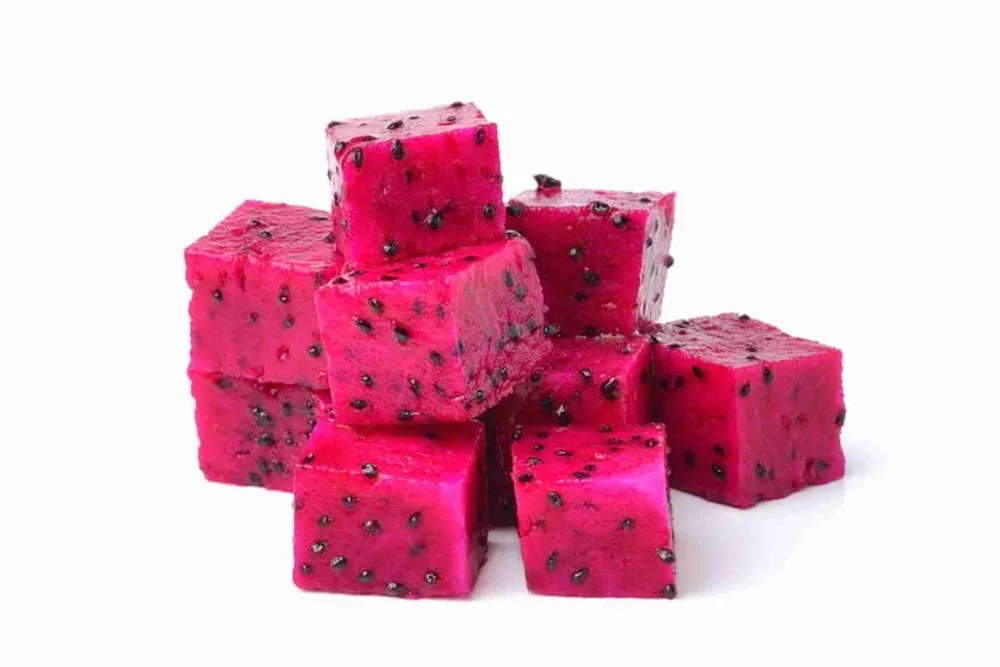
IQF fruit is useful when recognizable pieces and frozen convenience matter. Individually quick frozen banana, pineapple, passion fruit, pitahaya and coconut can support smoothies, bowls, bakery, frozen desserts and foodservice applications. It gives teams a ready-to-use ingredient while preserving more of the fruit’s original shape and texture.
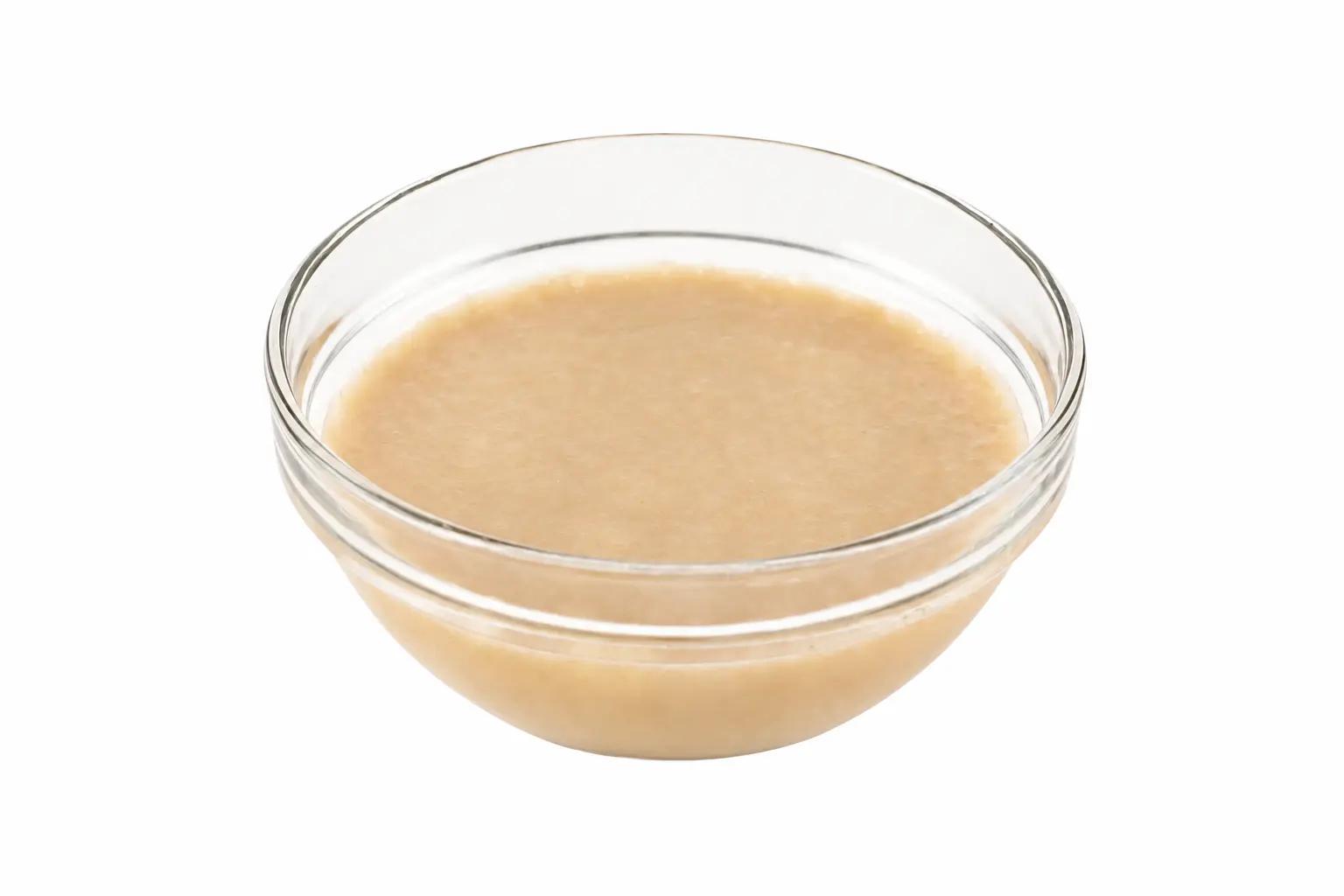
Puree makes sense when the fruit needs to distribute evenly through a formula. It can contribute flavor, color, body and sweetness in beverages, smoothies, sauces, baby food, yogurt, ice cream and sorbet. Our puree portfolio includes dragon fruit, banana, mango and coconut, with product-specific specifications available for qualification.
NFC juice works differently. It can deliver fruit flavor in beverages and culinary applications without the texture of a puree. Passion fruit and pineapple, for example, can bring acidity and a clear tropical profile to drinks, sauces and marinades.
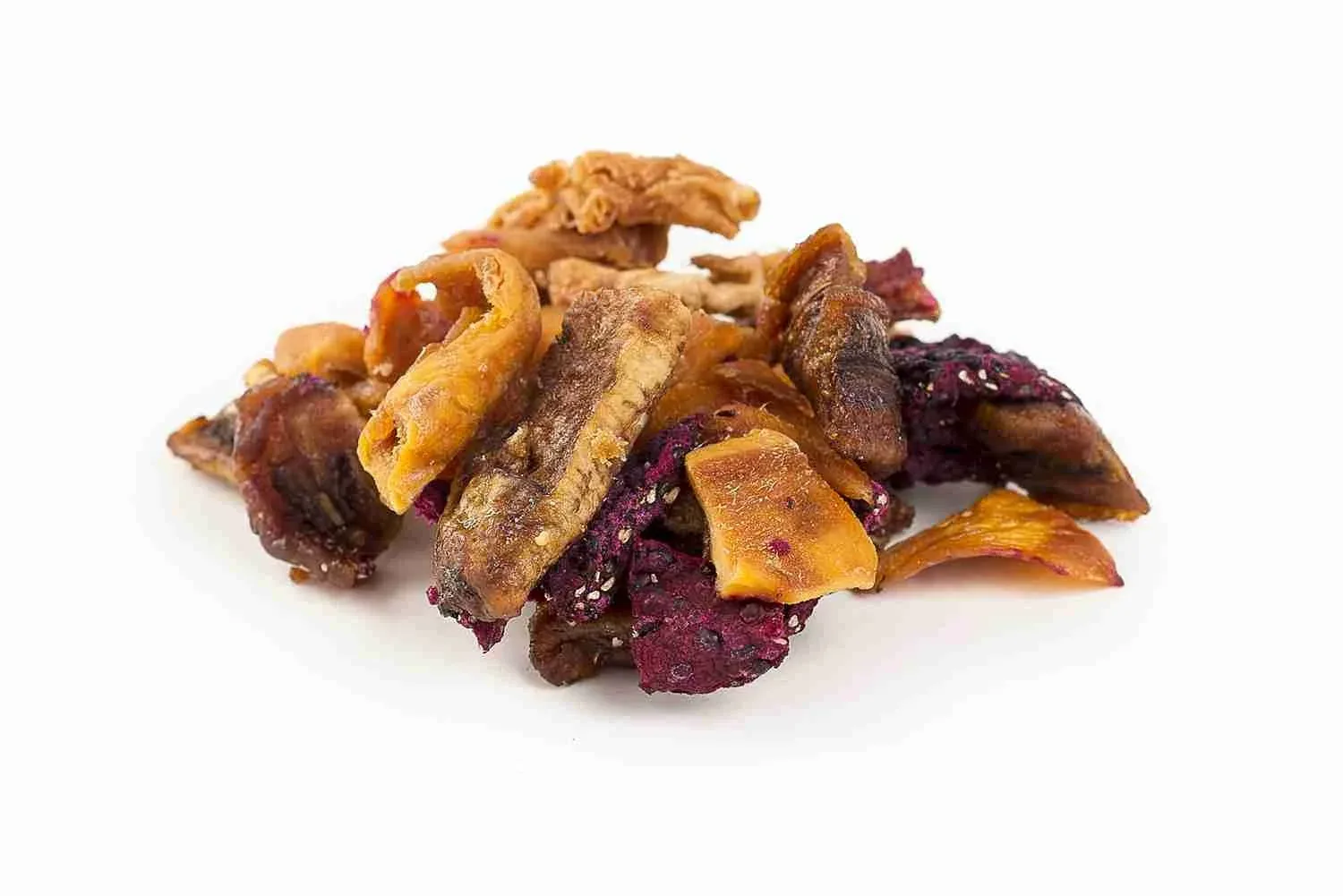
Dried fruit is built for portability and concentrated eating experiences. It can work as a stand-alone snack or as an inclusion in trail mix, granola, bars, bakery and frozen-dessert toppings. Our dried fruit platform includes banana, mango, pineapple and pitahaya. The linked specifications list Regenerative Organic Certified® as an optional certification for dried banana, mango and pineapple, so certification should be confirmed for the exact product program under review.
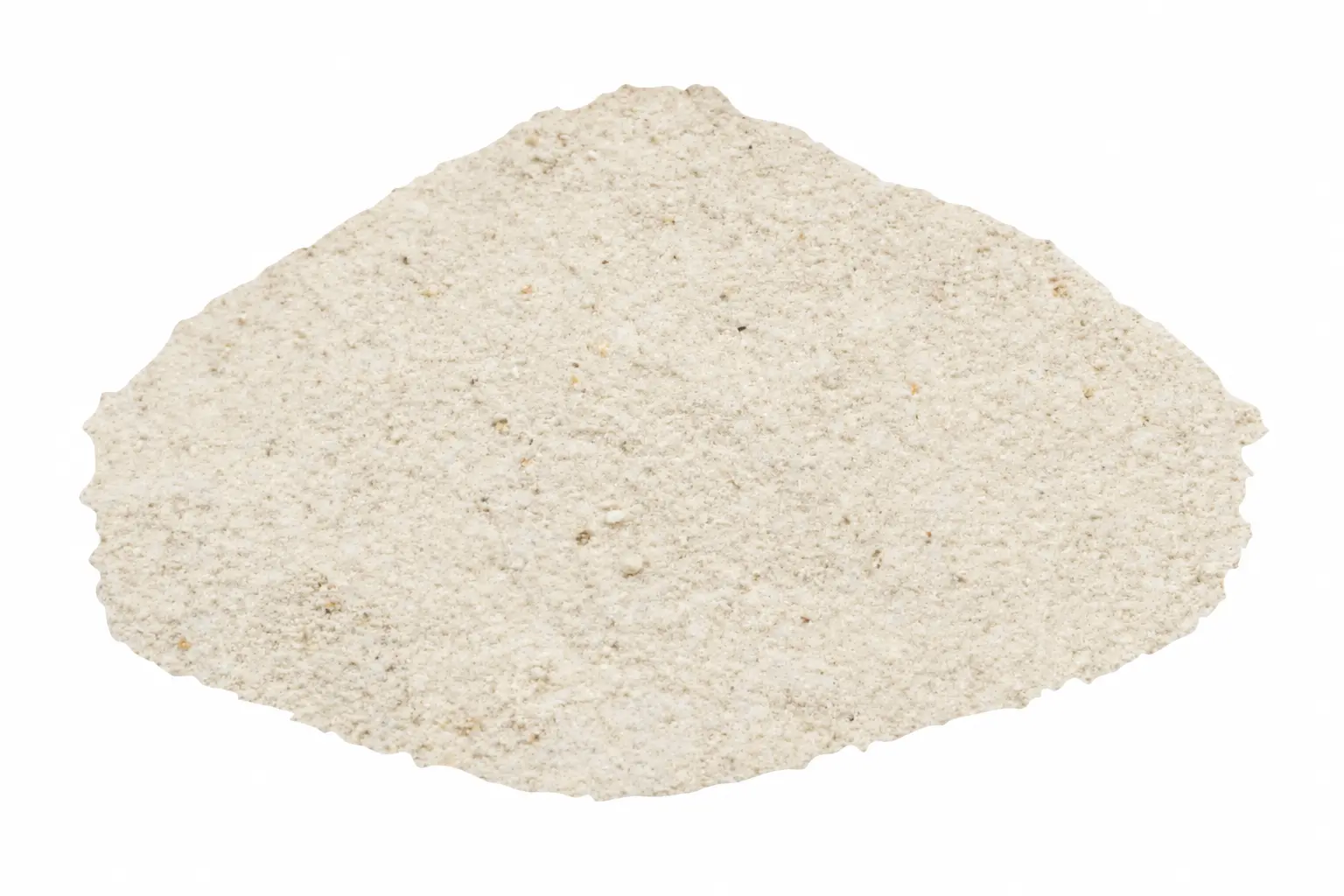
Powders and flours answer yet another set of constraints. They can move into dry blends, bars, bakery, beverage powders and specialty food applications. Green banana flour, for example, offers a tropical ingredient in a dry format and is made from green Nicaraguan bananas identified in the specification as Musa acuminata.

Convenience is not a lesser form of quality
There is a stubborn idea that the closest thing to whole fresh fruit is always the best choice. That is not how manufacturing works, and it is not how people live.
A frozen ingredient that is easy to portion may prevent more waste than a fresh ingredient that spoils before use. A puree may create a more consistent drink. A dried fruit inclusion may make fruit practical on a commute. A flour may open applications that whole fruit could never enter.
Mintel’s report suggests that future growth will depend partly on positioning fruit by use—snacking, cooking and blending—rather than treating “fresh” as the only meaningful benefit. That is a useful discipline for brands as well. Tell people what the format helps them do.
What to request from a supplier
Format selection is only the first step. Buyers should request the current specification, ingredient statement, processing method, packaging, certification documentation, microbiological parameters, minimum order quantity, lead time and sample availability for the exact item under review.
Those details determine whether an interesting concept can become a repeatable product.
The better question is not “Which fruit format is best?” It is “Which format does the job with the least friction?”
Product-development resource
Fruit format decision chart
Choose the format after defining texture, handling and the role fruit must play in the finished product.
We supply organic tropical ingredients from Nicaragua across puree, juice, IQF, dried, powder and flour formats, with Regenerative Organic Certified® options available for selected products and programs. To compare options for a specific application, request specifications or samples.
Research basis: Mintel, Fruit — US — 2026; linked technical specifications for our IQF, puree, juice, dried-fruit and flour formats, reviewed October 2026.