
June 2026 Tropical Ingredient Planning: Dragon Fruit Season, Banana Innovation, and Reliable Supply

June is a useful planning window for food and beverage teams working with tropical fruit ingredients. Dragon fruit season is approaching, banana-based ingredients are gaining new relevance across clean-label applications, and procurement teams are looking for more reliable ways to connect harvest timing with finished product performance.
For brands developing beverages, frozen products, snacks, sauces, baby food, or functional formats, ingredient decisions made early can shape color, texture, supply confidence, claims, and consumer trust later in the process. That is why June planning should not be treated as a calendar exercise. It should be treated as part of product development.
Plan Around the Harvest Before Specs Become Fixed
Tropical fruit sourcing works best when product teams plan with natural harvest cycles instead of reacting after specifications are already locked. Early planning gives teams more room to define format, target application, volume, documentation, and delivery needs while supply options are still flexible.
This is especially important for seasonal ingredients like dragon fruit. When sourcing is aligned with harvest timing, brands can make stronger decisions around puree, IQF pieces, dried fruit, powder, and sample planning before the season becomes compressed.
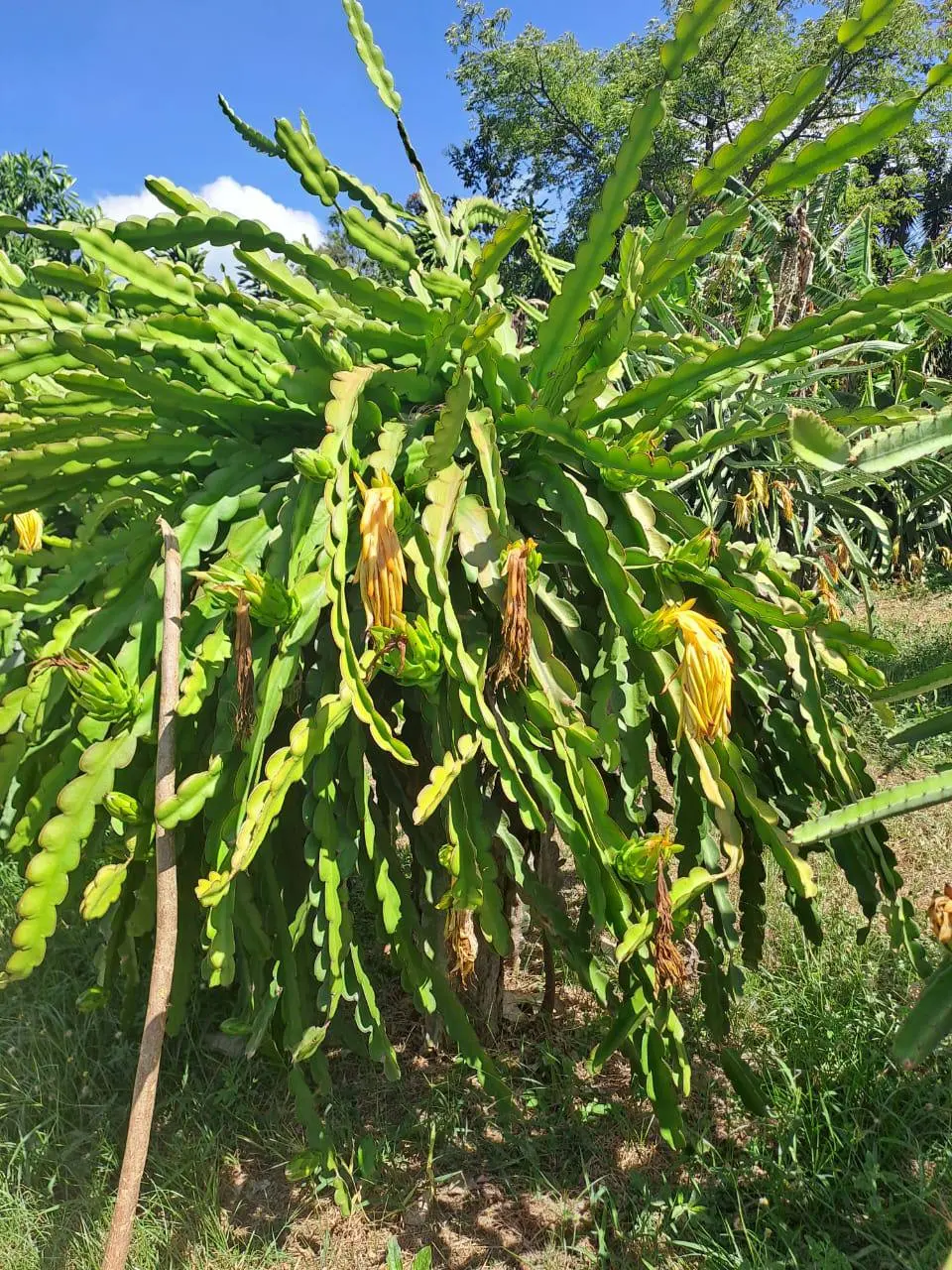
Dragon Fruit Brings Clean-Label Color and Product Differentiation
Natural color continues to influence how consumers experience food and beverage products. Nicaraguan pitahaya, also known as dragon fruit, delivers a naturally vibrant magenta color that helps brands create standout products without relying on artificial color additives.
In beverages, smoothies, cocktails, sorbets, frozen desserts, and wellness-forward products, pitahaya can bring both visual impact and a light tropical profile. Its naturally occurring betalains and vitamin C also support a broader ingredient story for brands looking to connect color, flavor, and everyday wellness.
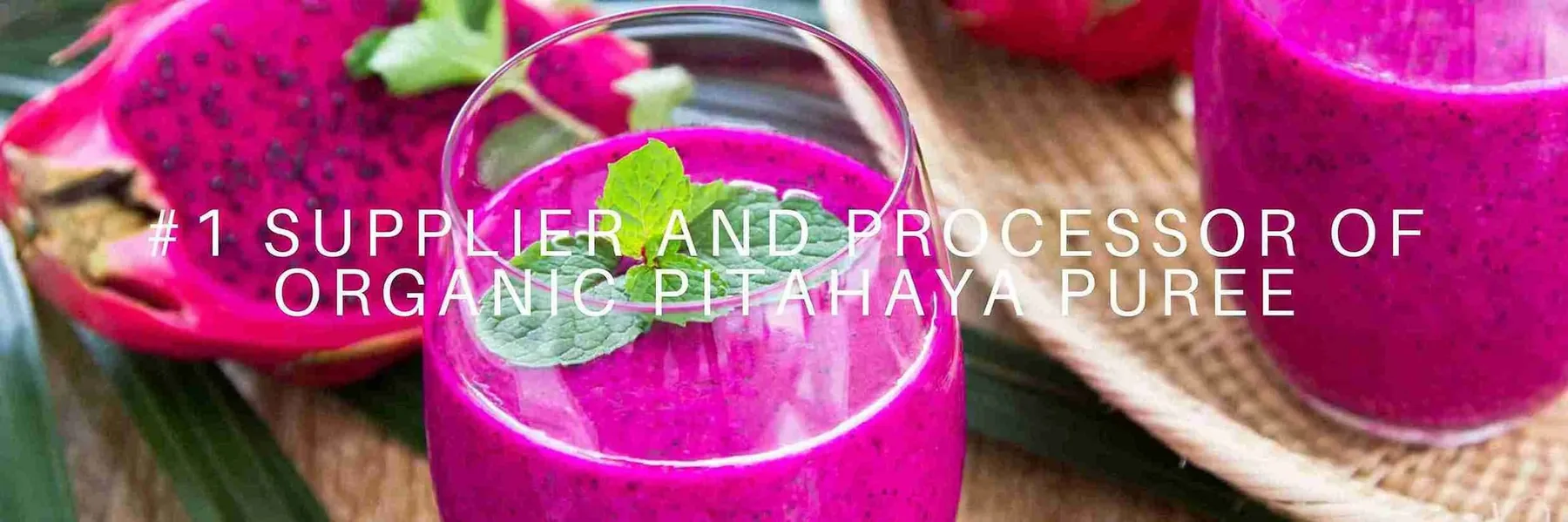
Sol Organica supplies dragon fruit across several commercial formats, including dragon fruit puree, IQF pitahaya, dried pitahaya, and pitahaya powder. Choosing the right format depends on the product’s texture, shelf life, processing needs, and visual goals.

Banana Ingredients Are Moving Beyond Basic Sweetness
Banana ingredients are also becoming more strategic for product developers. Banana puree can support body, mouthfeel, and natural sweetness in beverages, dairy alternatives, baby food, sauces, and frozen applications. IQF banana can support smoothie packs and industrial frozen formats. Green banana flour can support clean-label bakery, snack, and functional food concepts where resistant starch and texture matter.
At Sol Organica, banana ingredients are connected to direct trade relationships, regenerative organic and organic practices, and careful processing. The result is not just a familiar fruit ingredient, but a flexible foundation for brands building simpler, more recognizable ingredient lists. Explore regenerative organic banana puree, IQF banana, and green banana flour.
Reliability Comes From a Connected System
Ingredient reliability is built before the fruit reaches the processor. It starts in the field, with agronomy support, farmer coordination, soil health, harvest planning, collection infrastructure, and clear communication between sourcing and production teams.
Sol Organica works directly with smallholder farmers in Nicaragua and connects harvest planning with processing capacity across purees and juices, IQF fruit, dried fruit, flours and powders, and fresh whole fruit. That visibility helps buyers reduce formulation risk and prepare for more consistent supply.
Food Safety and Documentation Still Matter
World Food Safety Day is a reminder that ingredient quality is not only about taste, color, or farming story. Commercial buyers also need documentation, processing controls, export readiness, and clear quality expectations. For brands selling in the United States, Europe, and other international markets, those details can determine whether an ingredient is easy to adopt at scale.
Sol Organica supports buyers with certified organic and regenerative sourcing, food safety systems, and export-ready documentation. Buyers can review the company’s certifications, food safety and quality policy, and fruit seasonality resources before starting a sourcing conversation.
A Better June Sourcing Checklist
- Confirm which applications need color, texture, acidity, sweetness, or visual inclusions.
- Match each application to the right format: puree, juice, IQF, dried fruit, flour, or powder.
- Plan seasonal ingredients like dragon fruit early enough to secure samples and specs.
- Ask how farmer relationships, processing, and documentation connect into one supply system.
- Build internal links between product development, procurement, QA, and marketing before launch.
June is the right moment to align ingredient planning with harvest reality. For brands building products around tropical fruit, the strongest outcomes come from making sourcing, formulation, and supply decisions together.
To discuss samples, specifications, or upcoming seasonal availability, contact Sol Organica or explore the full tropical ingredient portfolio.