
Coconut purée · Formulation guide
Organic Coconut Purée: Applications, Texture and Formulation Considerations
Natural creaminess and tropical flavor are useful starting points. Commercial performance depends on the complete formulation and process.
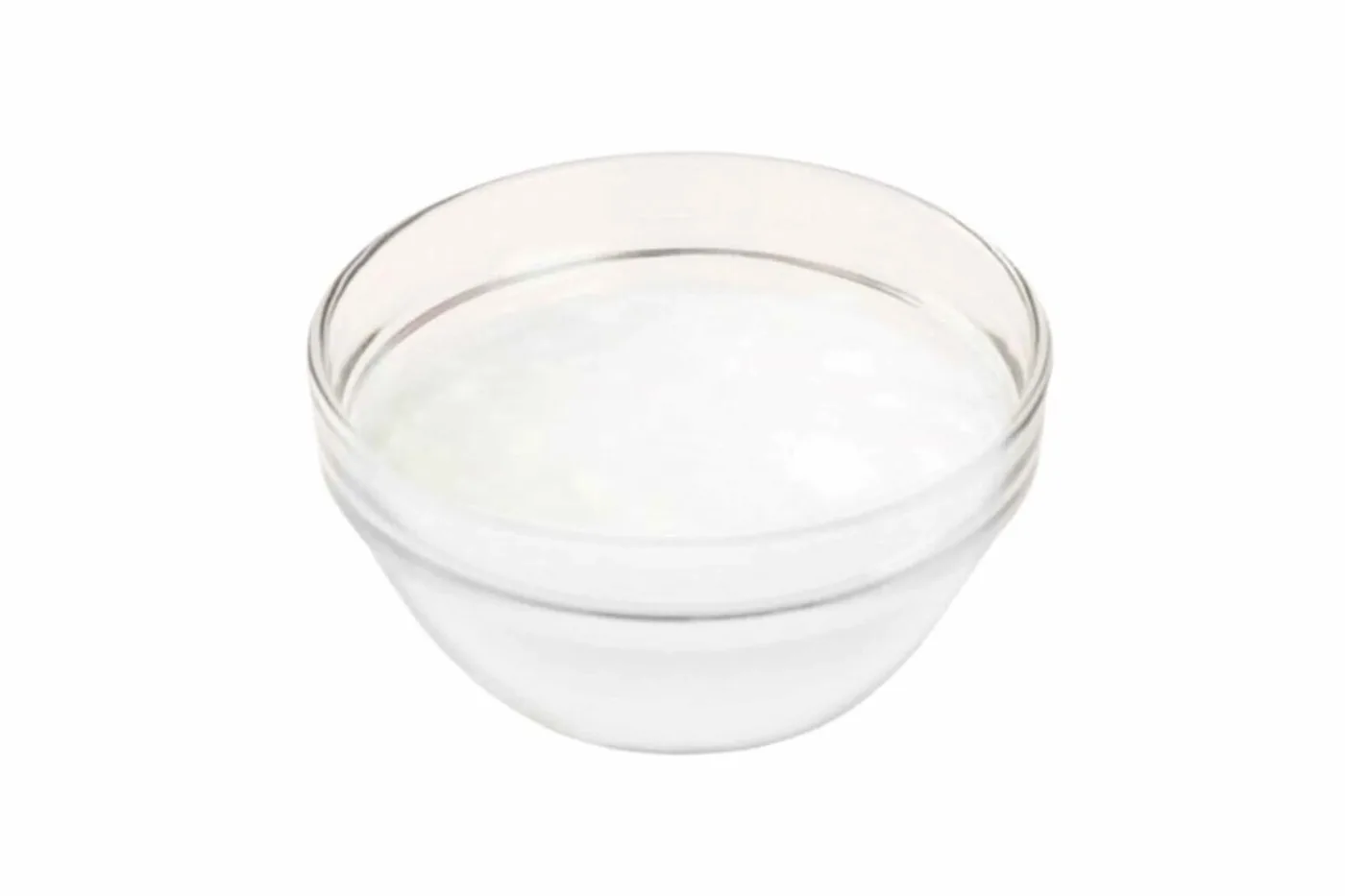
Young coconut purée brings together mild tropical flavor, a smooth mouthfeel and a naturally bright-white appearance. These qualities give R&D teams a strong platform for beverages, plant-based foods, frozen desserts and culinary applications.
Sol Organica’s young coconuts are cut by hand and passed through a pulper fitted with a 1.5 mm screen. The purée is thermally pasteurized, cooled, filled and frozen. It contains young coconut with no added sugar, preservatives, sulfur or additives.
Smoothies and blended beverages
In smoothies and blended drinks, coconut purée can contribute body and creaminess while complementing fruit, cacao, coffee and other tropical flavors. Its pale color can provide a neutral base for brighter ingredients.
Developers should evaluate use level, viscosity and suspension stability. Performance will depend on dilution, mixing intensity, homogenization, heat treatment and the presence of proteins, fats or stabilizing ingredients.
Plant-based formats
Young coconut purée can support plant-based drinks, cultured products, spoonable snacks and dessert-style formulations. It contributes authentic fruit flavor, moisture and mouthfeel from one recognizable ingredient.
Within a complete plant-based system, the purée contributes authentic coconut flavor, moisture and creaminess while proteins, emulsifiers and stabilizers deliver the target structure and shelf-life performance.
Frozen desserts and chilled applications
In ice cream, frozen desserts and chilled puddings, coconut purée can provide tropical flavor and a smooth eating experience. Its natural color also works well when a pale base or contrasting fruit swirl is desired.
Because the purée contributes both water and fruit solids, use level can affect freezing point, hardness, ice-crystal development and recipe balance. Trials should assess its interaction with sweeteners, fats, proteins and stabilizers.
Sauces and culinary products
Coconut purée can add body to sweet and savory sauces, dressings, curry-style products and tropical culinary bases. Ginger, lime, chili, herbs and warm spices are natural complements.
Heat stability, acidity, target viscosity and emulsion behavior should be tested under conditions that reproduce the intended commercial process. A hot-filled sauce and a chilled dressing place different demands on the ingredient.
Plan the production trial
A controlled thawing procedure, thorough mixing and real-equipment trials are important. Natural separation can occur during frozen storage, and pumping, dosing, blending, heat, shear and refreezing can each affect the finished system.
Application checklist
Confirm performance before scale-up
Match the trial to the intended production process instead of treating the purée as flavor alone.
Evaluating young coconut purée? Request the current specification, packaging options, sample availability and certification scope for the exact offer.
Current product specifications, packaging options, certification scope and sample availability are available from our commercial team.