
Plan With the Harvest: How Tropical Fruit Brands Stay in Control

The brands that plan around harvest cycles are the ones that stay in control. For teams working with tropical fruit ingredients, timing shapes more than availability. It influences how a product is formulated, how it performs, and how it ultimately shows up in the market.
When sourcing is considered earlier in the product development process, there is more room to define specifications, select the right ingredient formats, and build products with clarity and intention.
Why Harvest Timing Matters
Tropical fruit sourcing works best when product teams plan with natural harvest cycles instead of reacting after specifications are already fixed. Working in alignment with harvest timing allows product and procurement teams to access ingredients when supply, quality, and format options are most flexible.
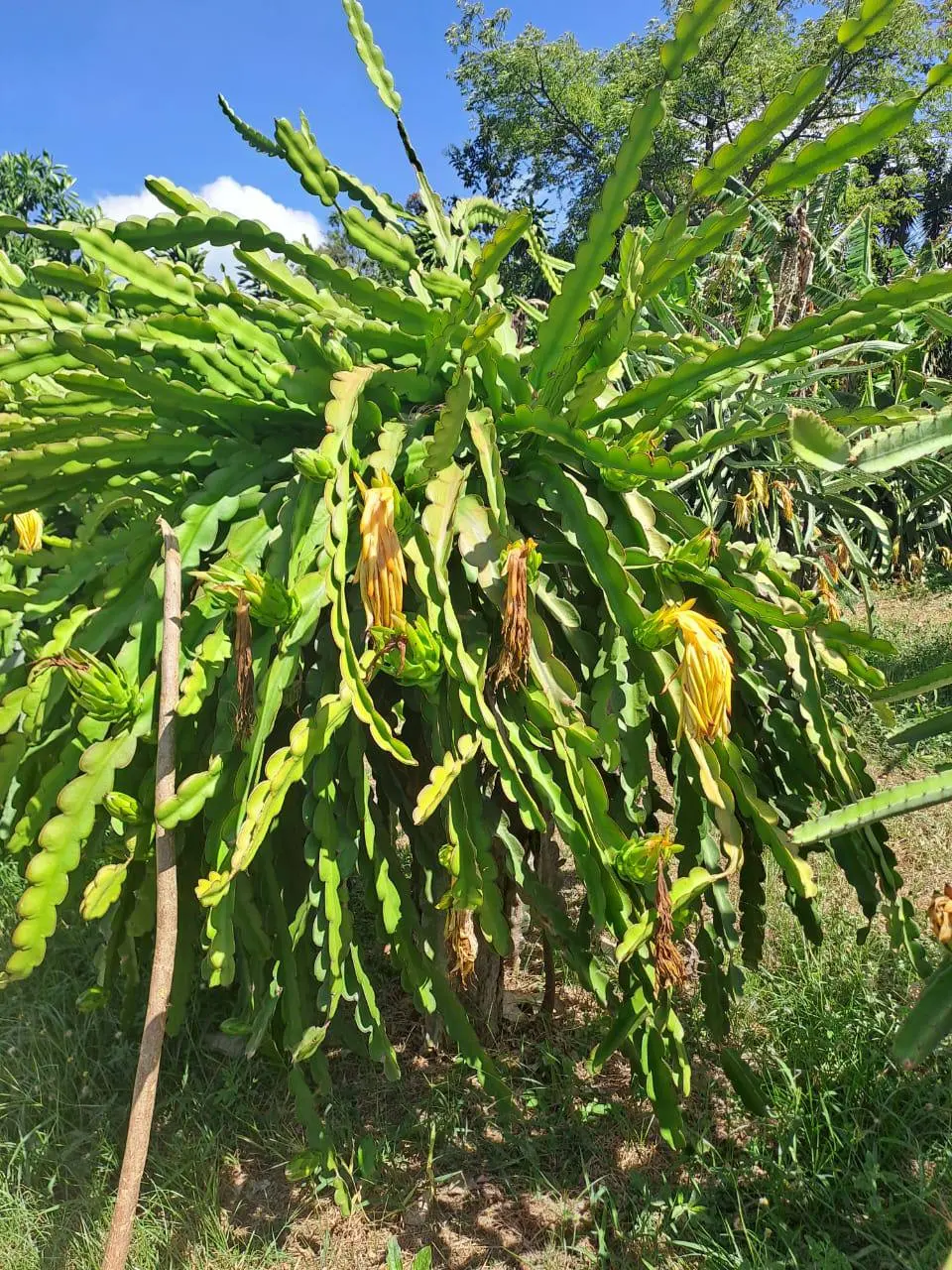
This is especially important for ingredients like dragon fruit, where seasonality directly shapes how brands can position, sample, and scale products across puree, IQF, dried fruit, powder, and juice formats.
Better Timing Creates Better Decisions
Planning ahead supports more precise ingredient specifications, greater confidence in securing volumes, and clearer product positioning from the outset. It also helps teams avoid rushed sourcing decisions when demand rises or seasonal windows become compressed.
At Sol Organica, we support this process through direct trade relationships with smallholder farmers, integrated processing, and supply planning connected to real harvest conditions. By aligning sourcing decisions with production needs, we help brands move forward with greater certainty from procurement through formulation and scale.
What Buyers Should Align Early
- Target application and product format
- Volume expectations and lead times
- Specification needs for color, texture, flavor, and processing
- Sample timing before seasonal demand tightens
- Documentation and certification requirements for commercial review
Planning tropical fruit for the upcoming quarters? Explore Sol Organica’s fruit seasonality resource at fruit seasonality, review our tropical ingredient portfolio at tropical ingredient portfolio, or contact our team at contact Sol Organica to align sourcing, timing, and specifications with your product goals.