
Beverage innovation · Flavor strategy
Tropical Flavor Works Best When the Product Gives It a Clear Role
“Tropical” becomes useful when each fruit has a clear formulation role.
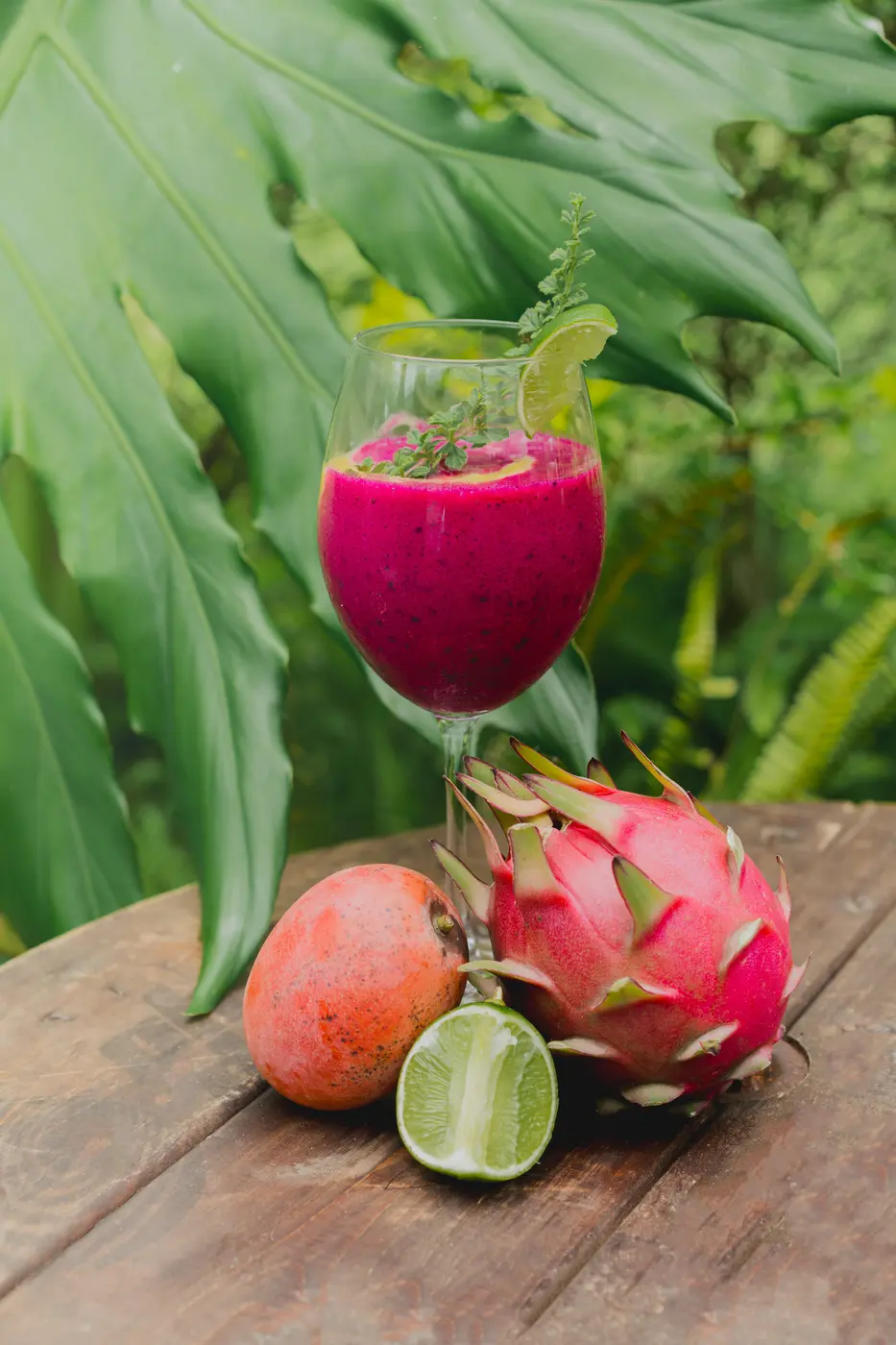
“Tropical” can mean almost anything on a beverage label. That is the problem.
It may describe a familiar pineapple blend, an electric magenta dragon fruit smoothie or a coconut drink built around texture rather than acidity. When the word does all the work, the fruit itself becomes vague.
Mintel’s Flavors and Ingredients in Non-Alcoholic Beverages — US — 2026 report found that consumers remain willing to explore new flavors even under price pressure. The report also points to seasonal releases, customization and small bold formats as useful ways to lower the risk of trial. But novelty alone is not a product strategy. A beverage still needs a clear promise.
Anchor the unfamiliar to something people understand
New flavor discovery works better when the customer has a point of reference.
Passion fruit can bring aromatic acidity to a lemonade, tea or sparkling drink. Mango can soften a sharper flavor and create body. Coconut can move a concept toward creamy, refreshing or plant-based territory. Banana can add familiar sweetness and texture. Dragon fruit can do a different job: it can create a vivid visual signal before the first sip.
The most useful pairings have logic. They are not a fruit salad created by committee.
A product developer might use:
- passion fruit with lime or tea for brightness;
- dragon fruit with a familiar berry or citrus cue for color and approachability;
- coconut with pineapple, coffee or cacao for texture and contrast;
- banana with protein, grains or nut flavors for body and familiarity;
- mango with chile, ginger or citrus when the goal is a more active flavor experience.

Decide whether flavor, color or texture is leading
The same fruit can play different roles depending on its format.
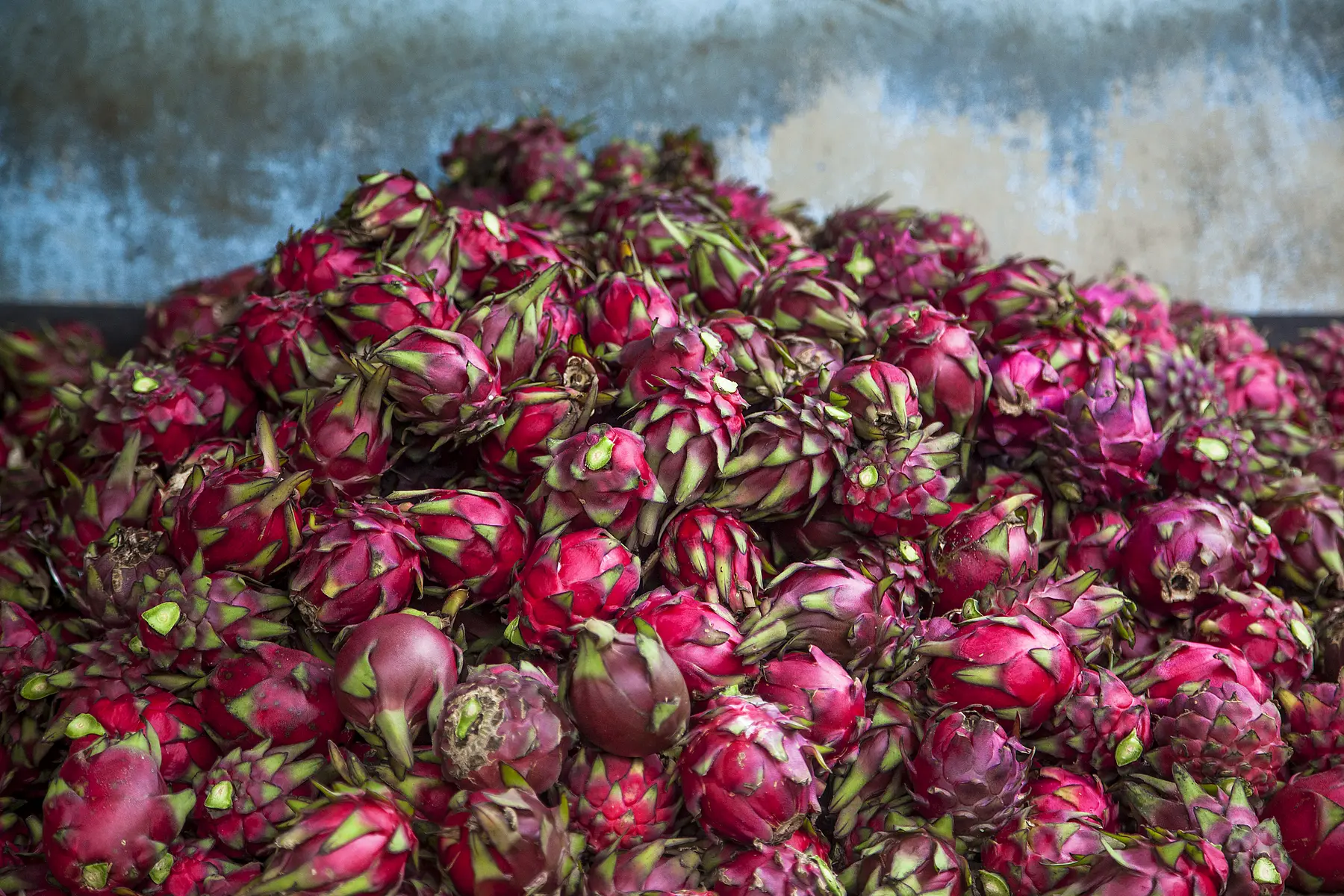
Our Nicaraguan dragon fruit puree is a magenta puree made from organic pitahaya (Selenicereus undatus). The linked specifications list 10–13° Brix, pH 3.8–4.8 and a 3 mm screen for both fresh-frozen and pasteurized formats. Color performance still needs to be validated in your own formula, because pH, processing, other ingredients and target appearance all matter.
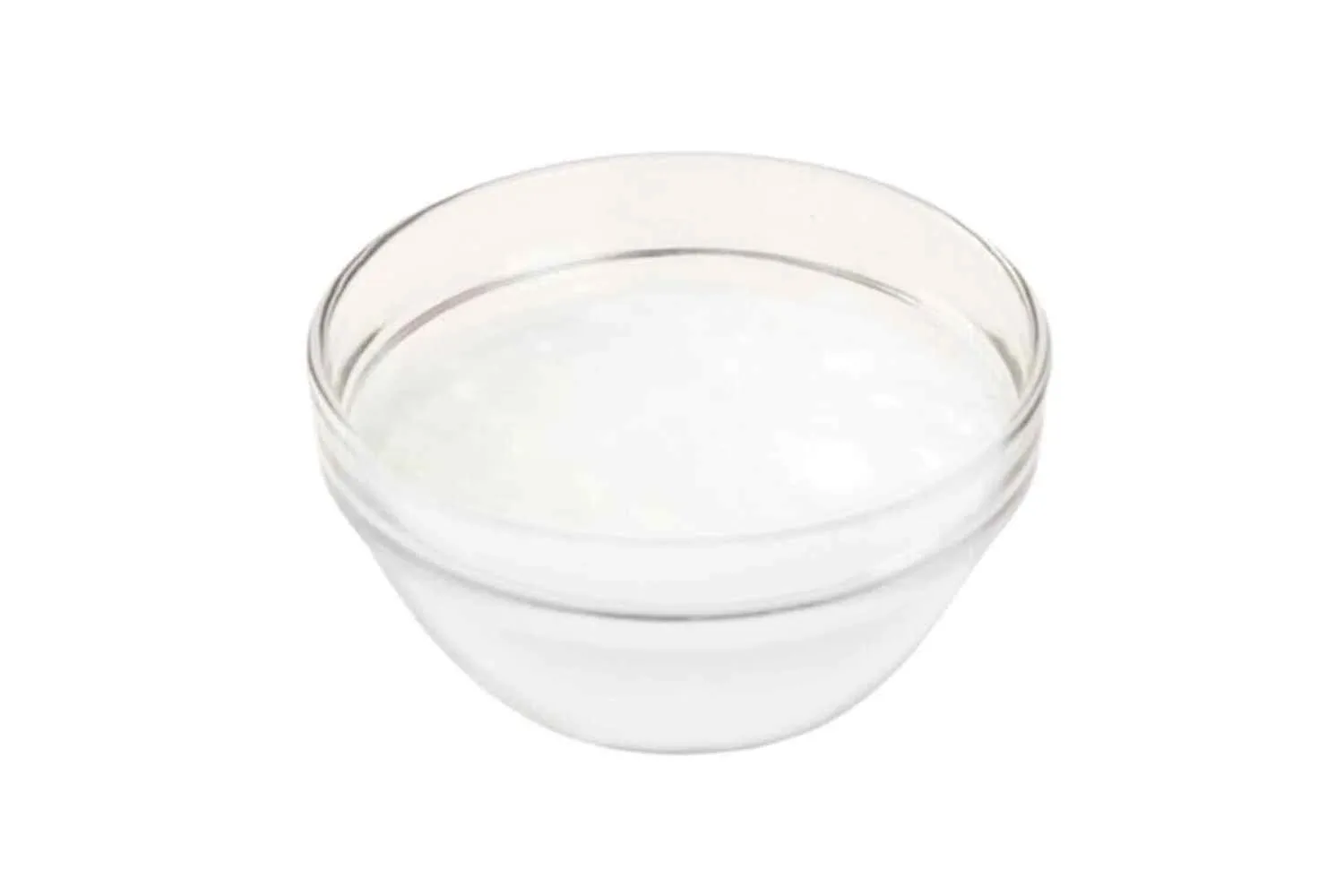
Young coconut puree answers a different brief. We process hand-cut young coconuts through a 1.5 mm screen, then thermally pasteurize, cool, fill and freeze the puree. Our puree contains no added sugar, preservatives, sulfur or additives. Its value is not a loud flavor. It is the combination of coconut flavor, creamy texture and a simple ingredient statement.
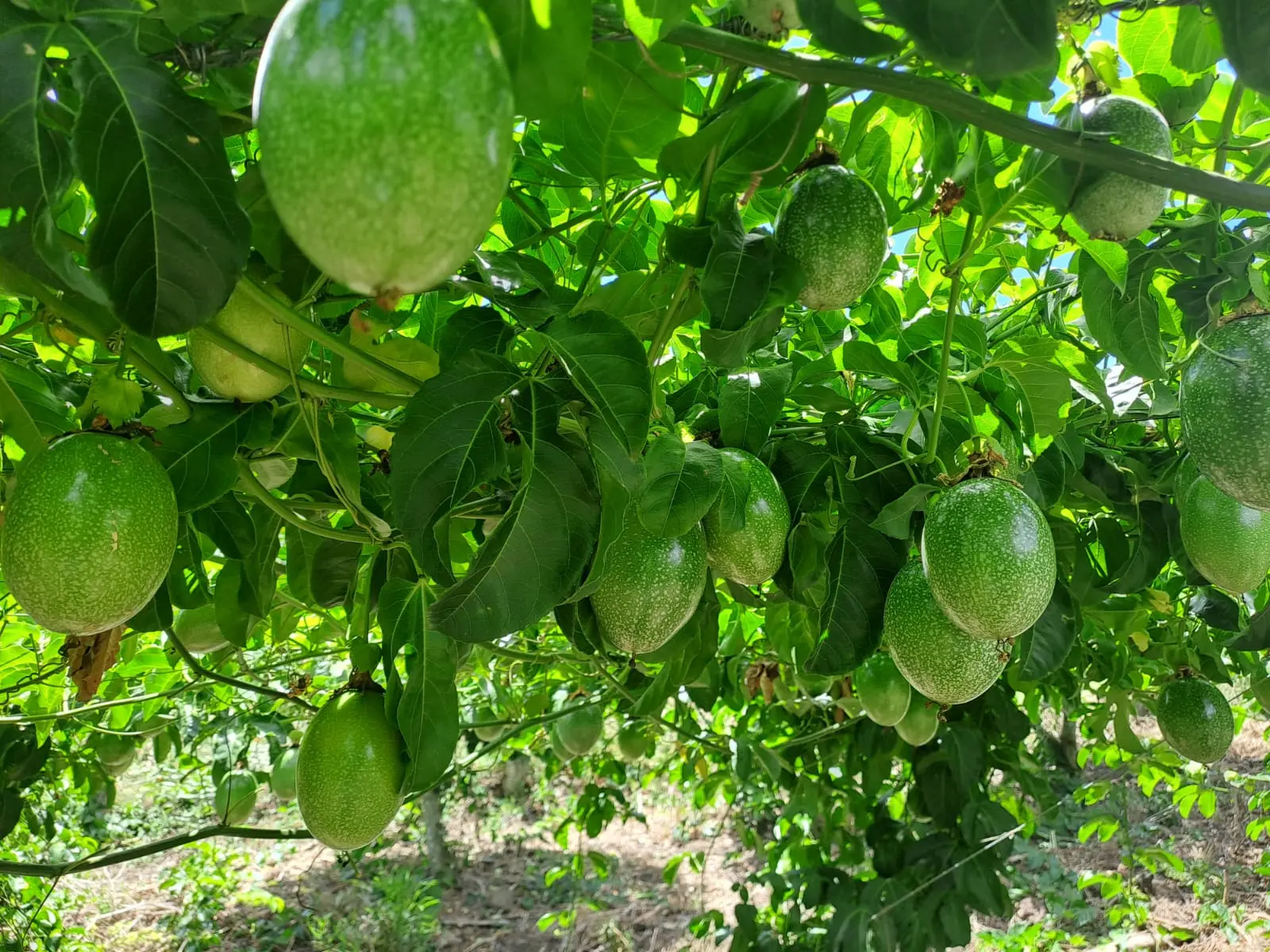
Passion fruit juice brings another tool: intensity and acidity without the body of a puree. A team creating a sparkling drink may want that. A smoothie team may prefer puree or IQF fruit.
Seasonal does not have to mean disposable
Mintel recommends seasonal flavor drops as a way to turn curious consumers into repeat buyers. The strongest limited releases can teach the team something permanent: which fruit combinations invite trial, which formats work operationally and which claims customers understand quickly.
A small launch can answer practical questions. Did the magenta color survive the process? Did consumers recognize the fruit? Was the product refreshing, filling or indulgent? Did the flavor need a familiar anchor? Did the ingredient story help justify the price?
That learning is more valuable than novelty for novelty’s sake.
The next tropical beverage does not need seven fruits and a paragraph of promises. It needs one clear reason to exist.
Product-development resource
Tropical beverage pairing guide
Use a familiar anchor and give the tropical ingredient one clear job.
We can provide product-specific specifications, samples, packaging information, minimum-order guidance and lead-time guidance for organic tropical puree, juice and IQF ingredients. Tell us what you are formulating.
Research basis: Mintel, Flavors and Ingredients in Non-Alcoholic Beverages — US — 2026; linked dragon fruit puree, coconut puree and passion fruit juice technical specifications, reviewed October 2026.