For procurement and sustainability teams
Regenerative Supply Chains: What Procurement and Sustainability Teams Should Look For
Regenerative sourcing is not just a claim. For buyers, it should show up in how ingredients are grown, how farmers are supported, how documentation is handled and how supply risk is reduced over time.
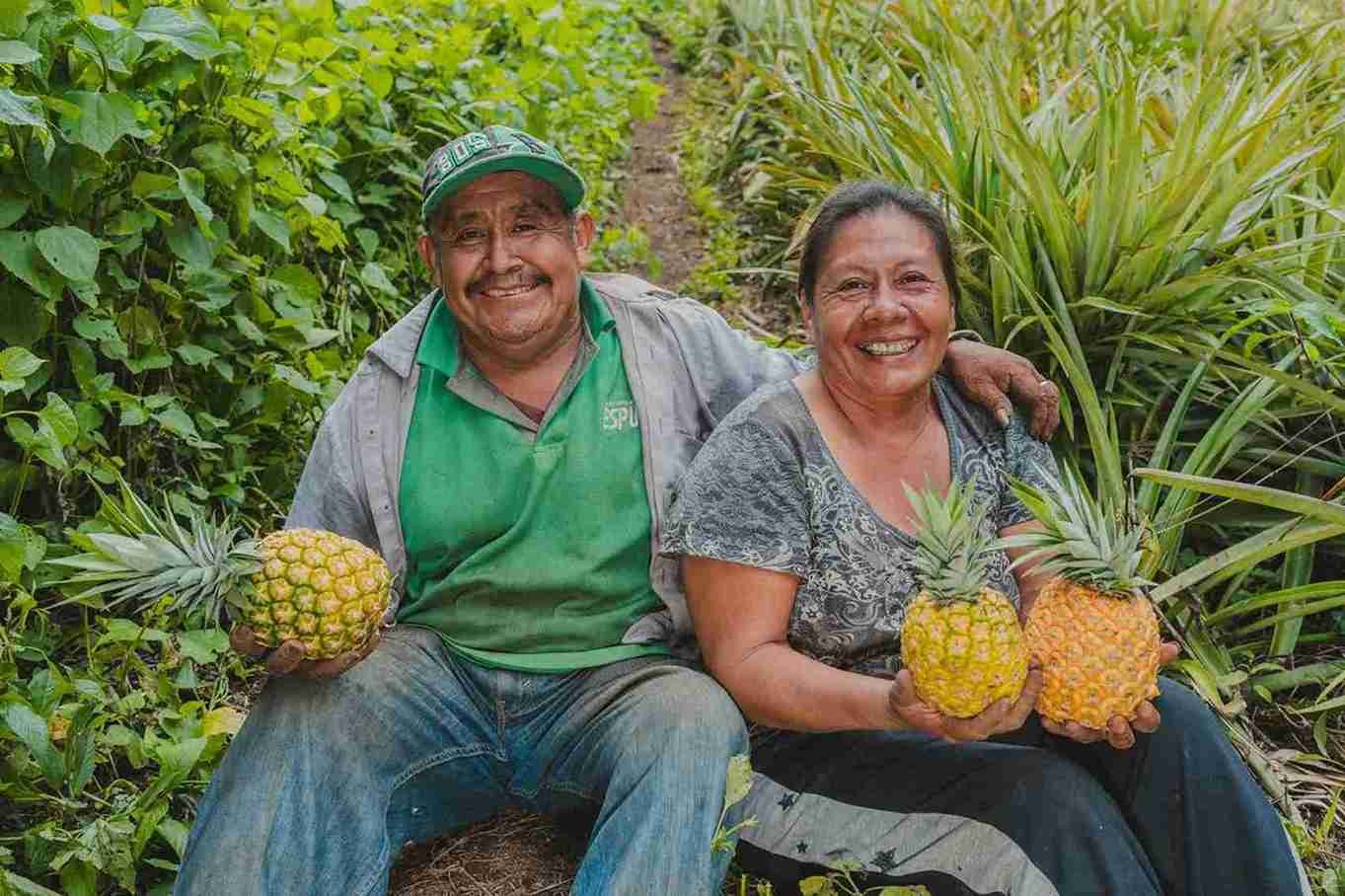
What makes a supply chain regenerative?
A regenerative supply chain should connect soil health, biodiversity, farmer relationships, organic practices, traceability and long-term land stewardship. It is not only about a certificate; it is about whether the sourcing system improves resilience for growers and buyers.
Why climate resilience matters for ingredient buyers
Climate volatility can create quality, price and availability risk. Regenerative and agroecological systems help procurement teams think beyond short-term sourcing and toward more resilient tropical ingredient programs.
Documentation buyers should request
B2B buyers should ask for organic certificates, applicable regenerative certifications, spec sheets, food safety documentation, origin information, format availability, MOQ, lead time and practical details about crop seasonality.
How Sol Organica supports this model
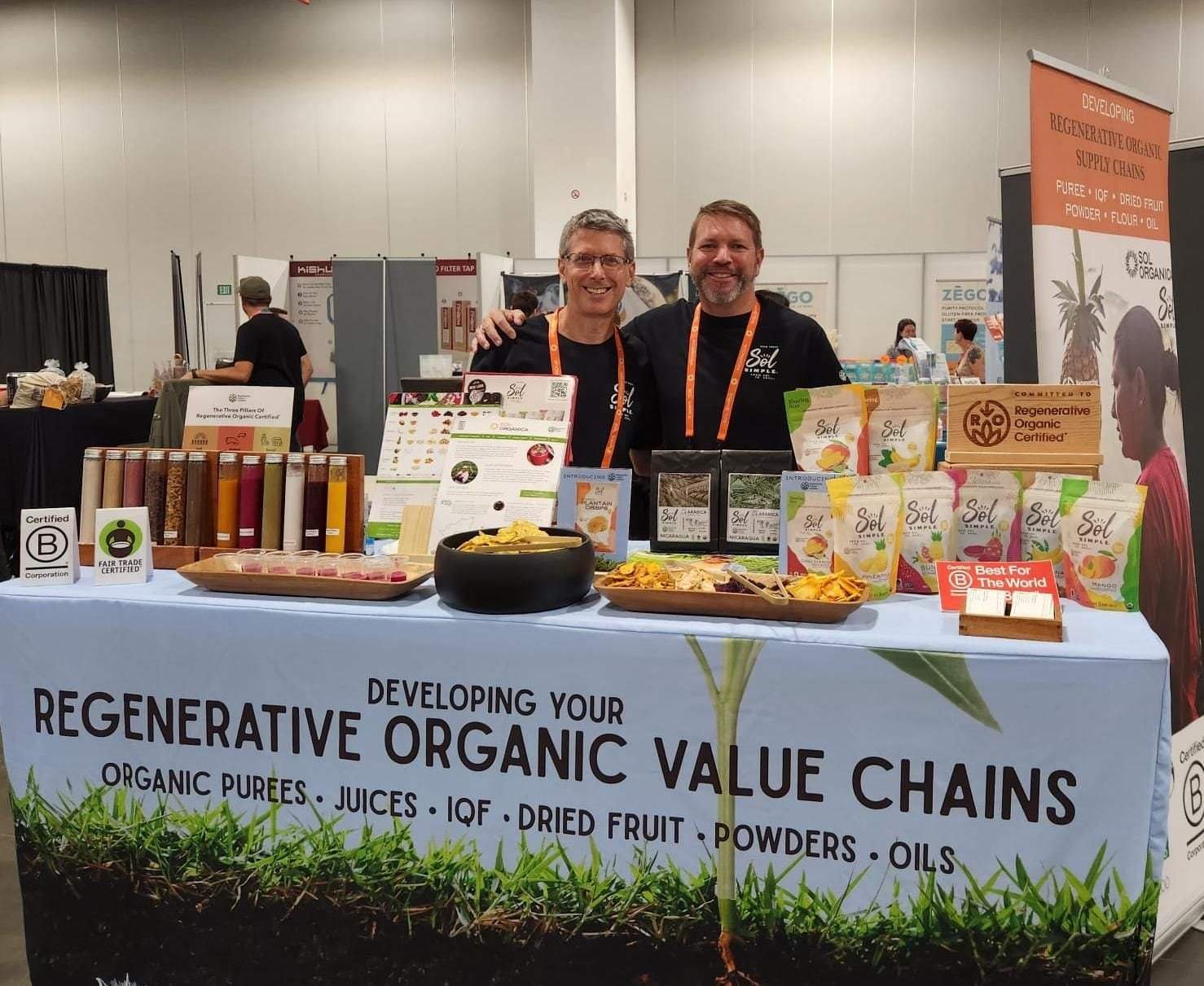
Sol Organica connects organic tropical ingredients with farmer-first sourcing, land-first agriculture and traceable supply-chain thinking across product families including banana, mango, coconut, dragon fruit and more.
Related Sol Organica sourcing pages
Continue exploring: regenerative agriculture tropical fruit, traceable organic tropical fruit supply chain, farmer-first organic sourcing, land-first agriculture ingredients, request sourcing documentation.
Source tropical ingredients with a stronger supply-chain story
Contact Sol Organica for specs, samples, MOQ, certifications and availability
Practical resources
Practical sourcing and formulation guidance
Explore related Sol Organica resources: ingredient diversity regenerative supply chains dragon fruit natural color plant-based tropical formulation.