For R&D and sensory development teams
Sensory Formulation with Tropical Fruit Ingredients: Building Products People Remember
In competitive food and beverage categories, sensory experience is a business advantage. Tropical fruit ingredients can help product teams design for aroma, color, texture, flavor and emotional recall while maintaining clean-label sourcing logic.
Sensory design starts before the formula is final
Color, aroma, texture and flavor cues shape expectations early. Tropical ingredients give teams a palette for creating products that feel fresh, vibrant and distinctive in crowded categories.
Ingredient roles by sensory need
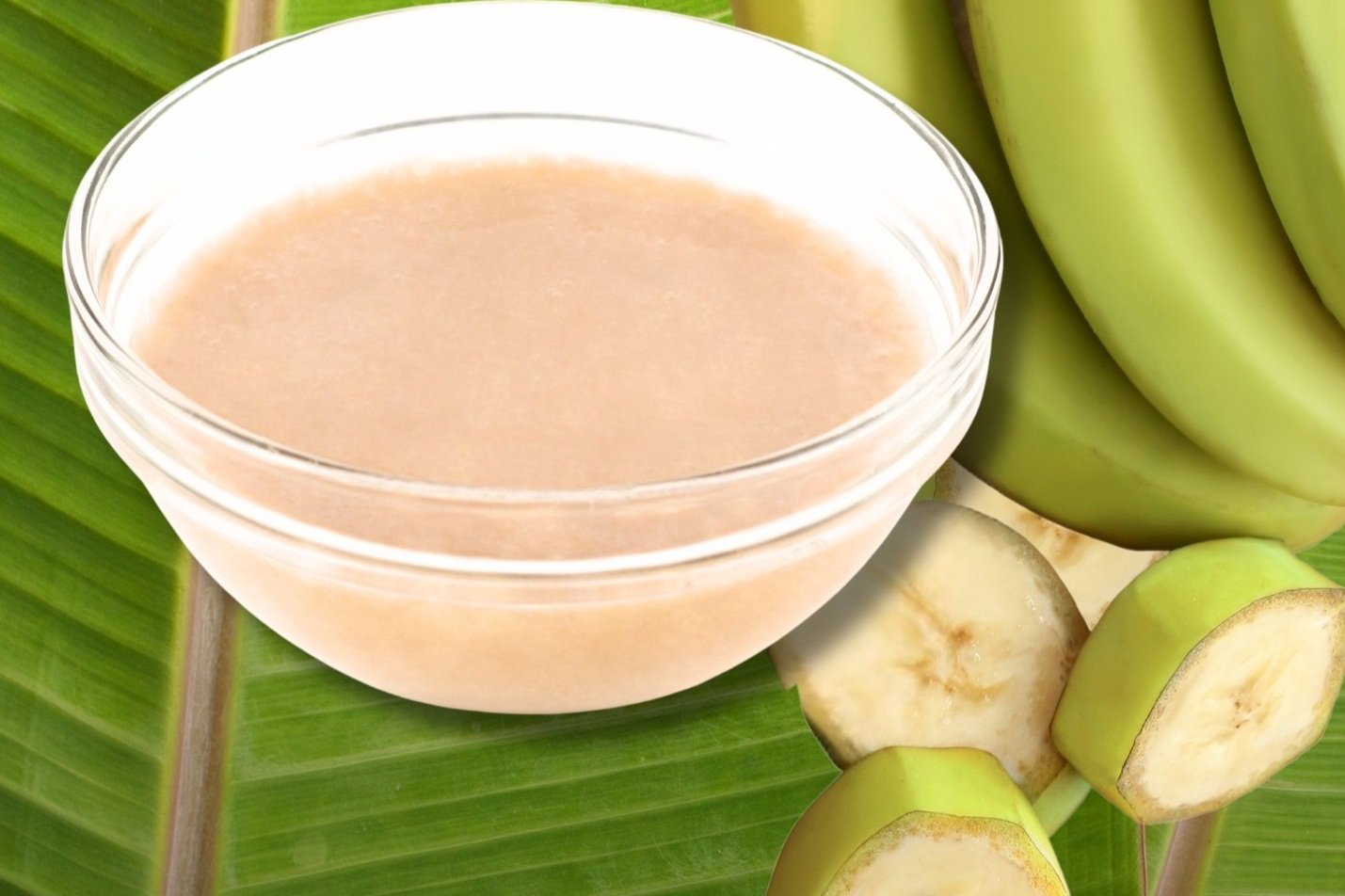
Banana can support body and sweetness perception, mango can bring tropical brightness, coconut can add richness, dragon fruit can create visual contrast and pineapple or passion fruit can contribute acidity and aromatic lift.
From sensory appeal to sourcing credibility
A beautiful product experience is stronger when the sourcing story is credible. Organic, regenerative, farmer-first and traceable sourcing can make sensory claims feel more grounded and brand-relevant.
How R&D teams can evaluate options
Request samples in the right format, compare inclusion rates, test processing conditions, review documentation and assess how each ingredient performs across flavor, texture, color and shelf-life needs.
Related Sol Organica sourcing pages
Continue exploring: sensory tropical ingredients, banana puree for smoothies, mango puree for beverages, dragon fruit puree for natural color, request sensory ingredient samples.
Design sensory-rich food and beverage products
Contact Sol Organica for specs, samples, MOQ, certifications and availability
Practical resources
Practical sourcing and formulation guidance
Explore related Sol Organica resources: ingredient diversity regenerative supply chains dragon fruit natural color plant-based tropical formulation.